


Non-Rebreathing Mask
Jianeng Medical is a professional China manufacturer with years of experience in medical oxygen devices. Its Non-Rebreathing Mask provides high-concentration oxygen via one-way valves and a reservoir bag, preventing exhaled air backflow. With reliable quality and multiple sizes, it supports bulk buy and wholesale, suitable for emergency care and critical illness intervention.
Send Inquiry
Product Description
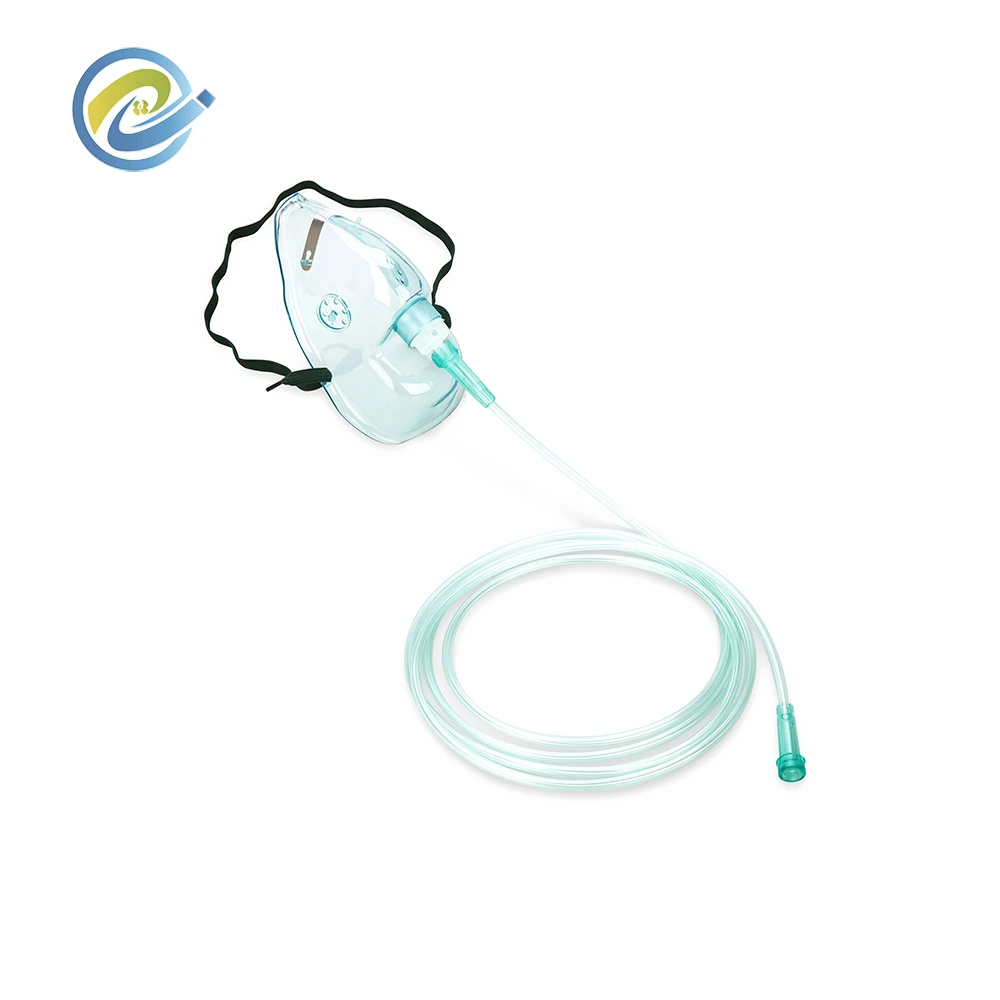
A non-rebreathing mask is a medical device for high-flow-rate oxygen delivery, primarily used in emergency or short-term intensive oxygen therapy scenarios. This mask uses a one-way valve structure to completely separate the inspiratory and expiratory pathways, preventing exhaled air from accumulating or flowing back into the mask, thus ensuring a continuous inhalation of high-concentration oxygen.
This product is typically used when blood oxygen saturation is significantly reduced, but the patient still has the ability to breathe spontaneously, playing an important role in emergency care and early intervention in critical illness.
Working Principle
The non-rebreathing mask connects to an oxygen cylinder or central oxygen supply system via tubing. Oxygen first enters the reservoir, which serves as a pure oxygen reserve, providing additional oxygen support during the patient's inhalation.
Its core structure includes:
A one-way inhalation valve between the mask and the reservoir bag.
Exhalation valves on the sides or front of the mask.
During inhalation, the patient can only inhale gas from the reservoir bag and oxygen source; during exhalation, the exhaled gas is directly expelled through the exhalation valve, preventing it from entering the reservoir bag and thus avoiding oxygen dilution. This design results in a significantly higher inhaled oxygen concentration than ordinary oxygen masks.

Product Features
High-Sealing Structure: The mask fits snugly to the face, reducing the entry of outside air and increasing the actual inhaled oxygen concentration.
Sealing Ring Design: Reduces local pressure on the face, improving wearing comfort.
One-Way Valve System: The inhalation and exhalation valves are separate, ensuring unidirectional gas flow and preventing mixing.
Reservoir Bag Configuration: Provides a backup oxygen source, maintaining a stable oxygen supply during peak inhalation periods.
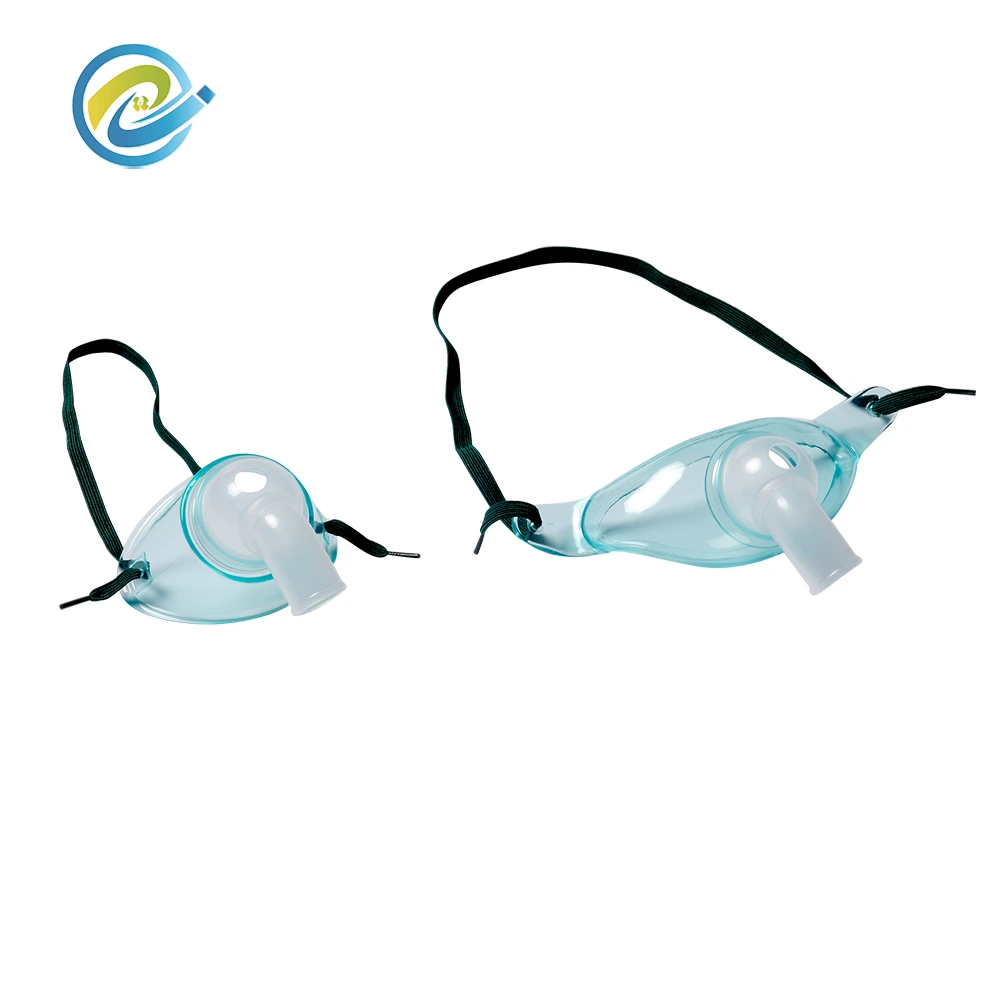
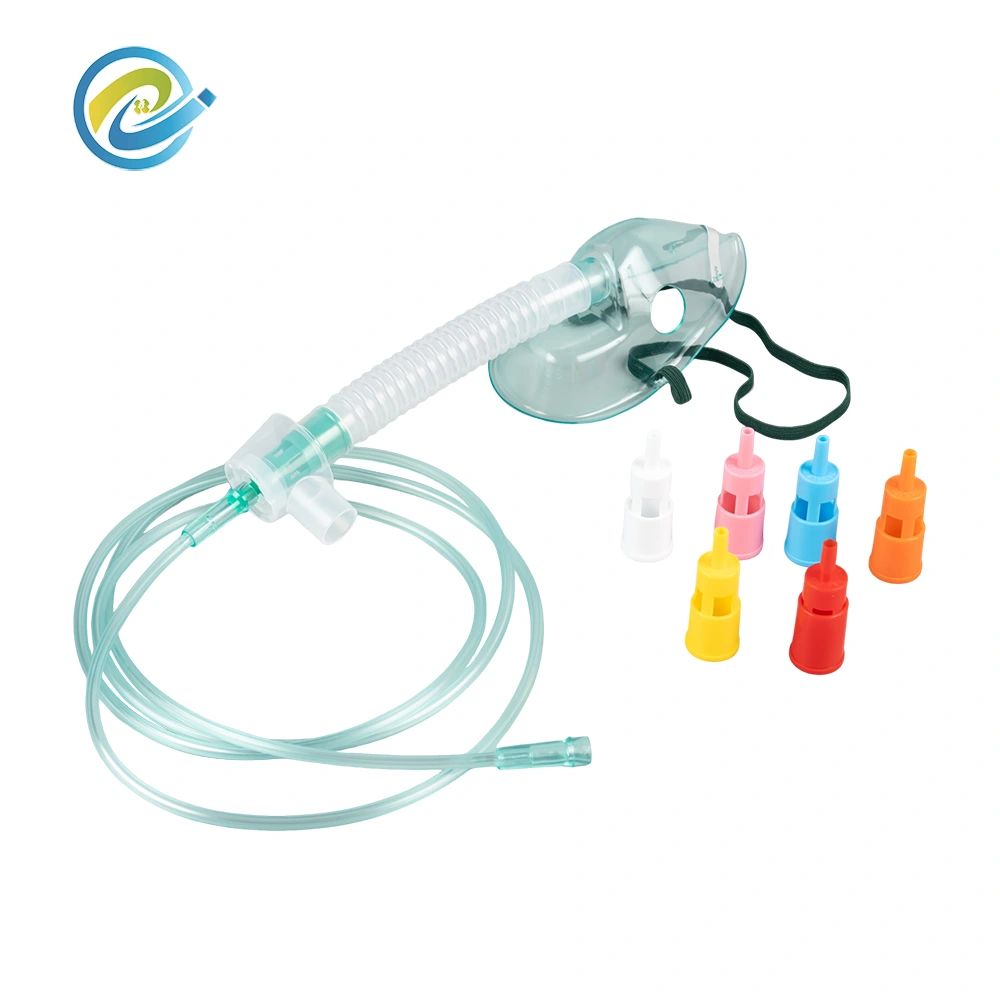
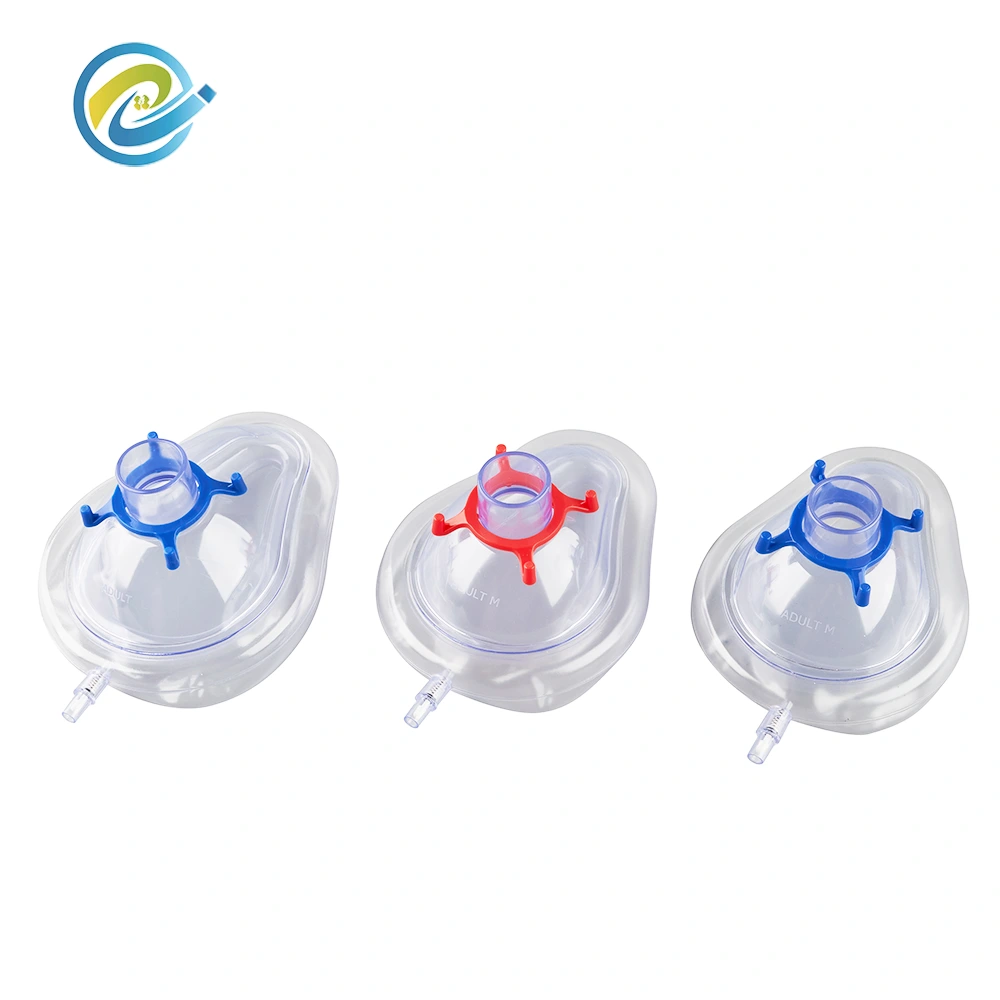
Multiple Sizes: Covers infants, children, and adult patients, facilitating standardized clinical configuration.
Size Specifications
Non-rebreathing masks are available in multiple sizes to fit different individuals:
|
SIZE |
Item |
|
infant |
XS |
|
Pediatric standard |
S |
|
Pediatric elongated |
M |
|
Adult standard |
L |
|
Adult elongated |
XL |

Choosing the appropriate size helps improve the seal and reduce leakage.
Indications and Application Scenarios
Non-rebreathing masks are primarily used in the following emergency or high-oxygen-demand scenarios:
Smoke inhalation
Carbon monoxide poisoning
Lung trauma or severe injury
Cluster headache attacks
Severe chronic airway diseases, such as COPD and cystic fibrosis
This mask is suitable for patients who require a rapid increase in inhaled oxygen concentration but do not yet require invasive ventilation support.
Contraindications and Usage Restrictions
The following precautions should be taken when using a non-rebreathing mask:
It is not suitable for patients at risk of vomiting or with impaired consciousness to avoid aspiration;
Prolonged continuous use may cause dryness of the respiratory mucosa; humidification measures should be used in conjunction;
The oxygen concentration adjustment range is limited, making precise titration of oxygen administration impossible, and it is not suitable for long-term stable oxygen therapy.

Summary of Usage Value
Through the coordinated operation of the one-way valve and reservoir bag, the non-rebreathing mask can provide patients with high-concentration oxygen support in a short time, making it a commonly used basic oxygen delivery tool in emergency care, disaster medicine, and early critical care. Proper selection and rational use can help improve the patient's oxygenation status at critical moments, buying time for subsequent treatment.
Hot Tags: Non-Rebreathing Mask, Manufacturer, Supplier, Factory
Related Category
Breathing System Filters
Heat and Moisture Exchangers
Incentive Spirometers
Masks
AeroChamber
Pulmonary Function Test Accessories
Atomizers
Home Care Other Products
Disposable Breathing Circuits
Send Inquiry
Please Feel free to give your inquiry in the form below. We will reply you in 24 hours.