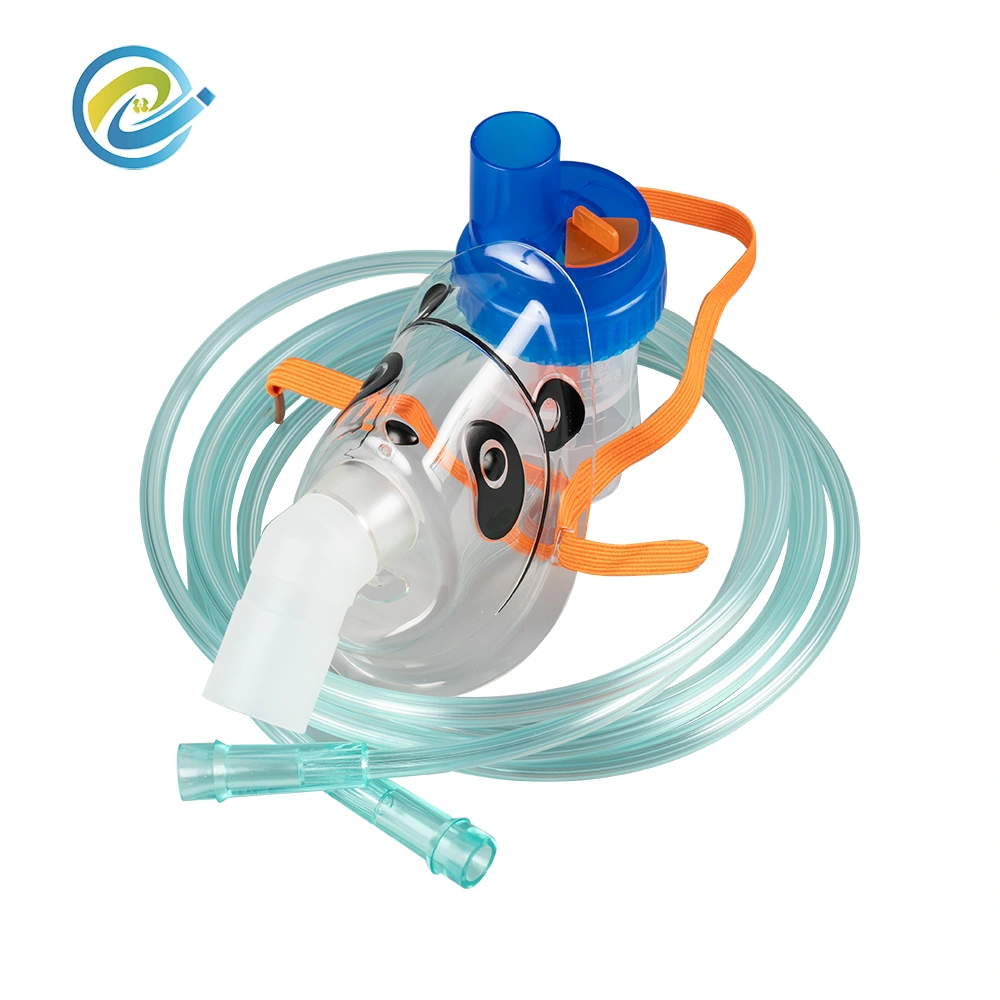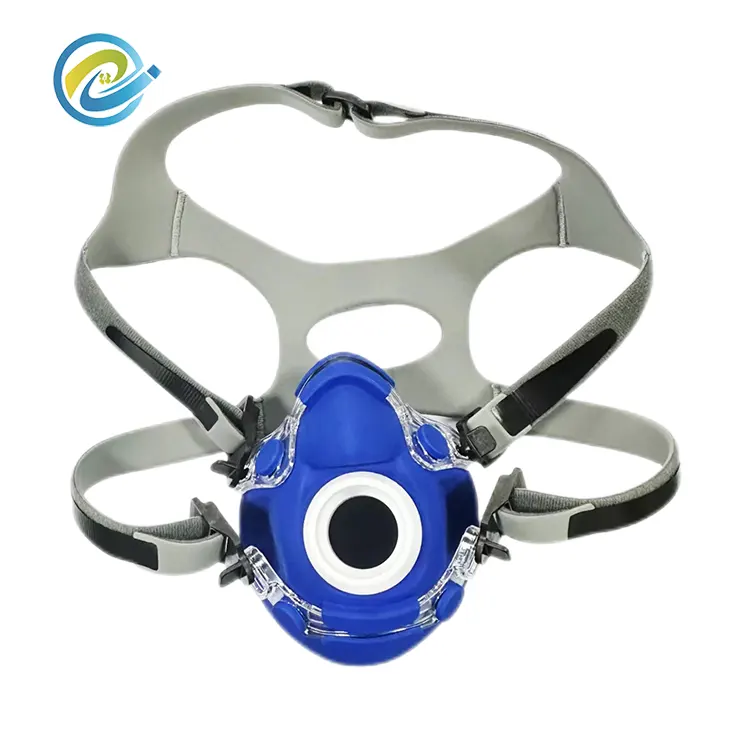



Oxygen Mask
Jianeng Medical is a professional China manufacturer with years of experience in medical devices. Its Oxygen Mask delivers stable oxygen supply to relieve dyspnea, featuring multi-size options for all populations and medical-grade soft materials. It ensures reliable quality, supporting bulk buy and wholesale for hospitals, emergency care and home use.
Send Inquiry
Product Description
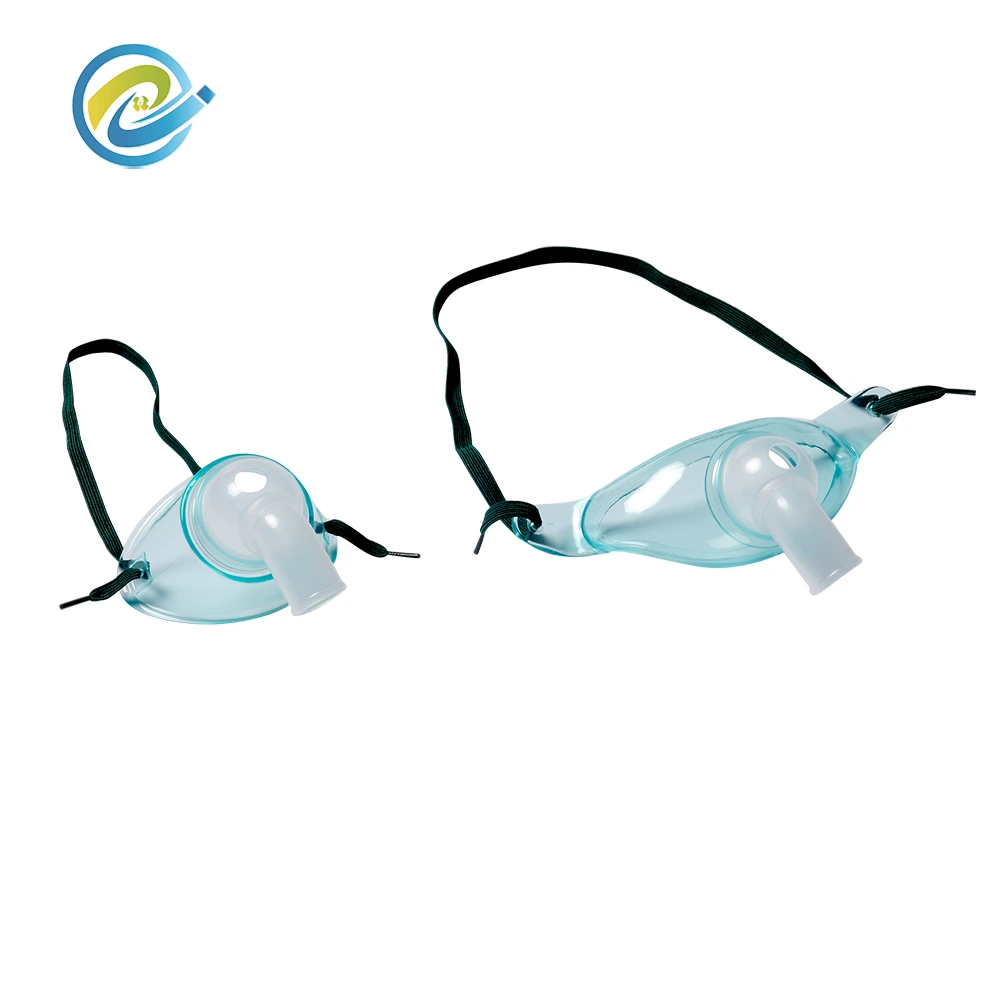
An oxygen mask is a medical device that covers the patient’s nose and mouth to deliver continuous oxygen supply, mainly indicated for hypoxia, respiratory insufficiency, or emergency scenarios. Connected to oxygen sources like oxygen cylinders or oxygen concentrators, it provides patients with stable and controllable oxygen, helping improve blood oxygen saturation and relieve dyspnea.
Widely used in hospital clinical treatment, emergency transfer, and home care, the oxygen mask is one of the most frequently applied oxygen delivery methods in basic oxygen therapy.
Working Principle
Oxygen enters the mask cavity through connecting tubing. When the patient inhales, oxygen mixes with ambient air inside the mask before being inhaled into the lungs. The actual inhaled oxygen concentration mainly depends on two factors:
1.Set oxygen flow rate
2.Mask structure and sealing performance
Rational adjustment of oxygen flow rate and proper facial fit of the mask can deliver sustained oxygen therapy support for patients within a safe range.

Product Structure & Specifications
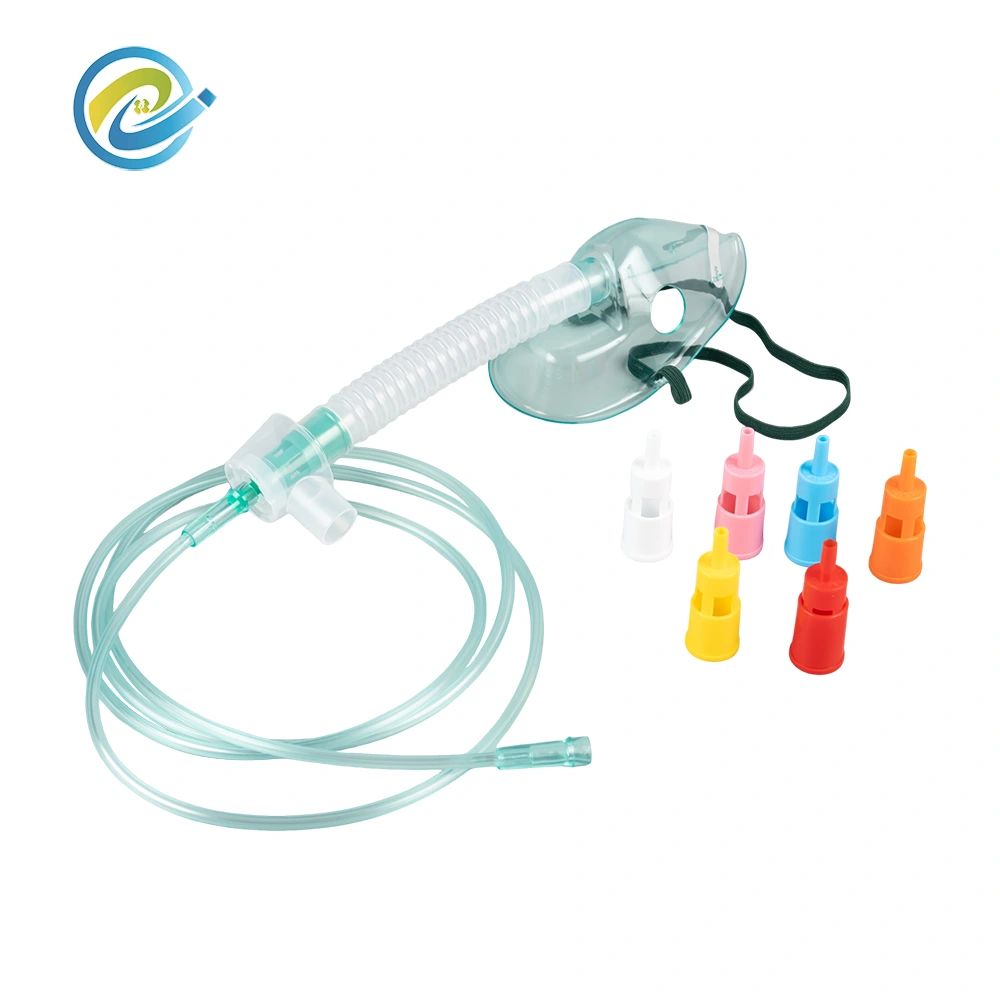
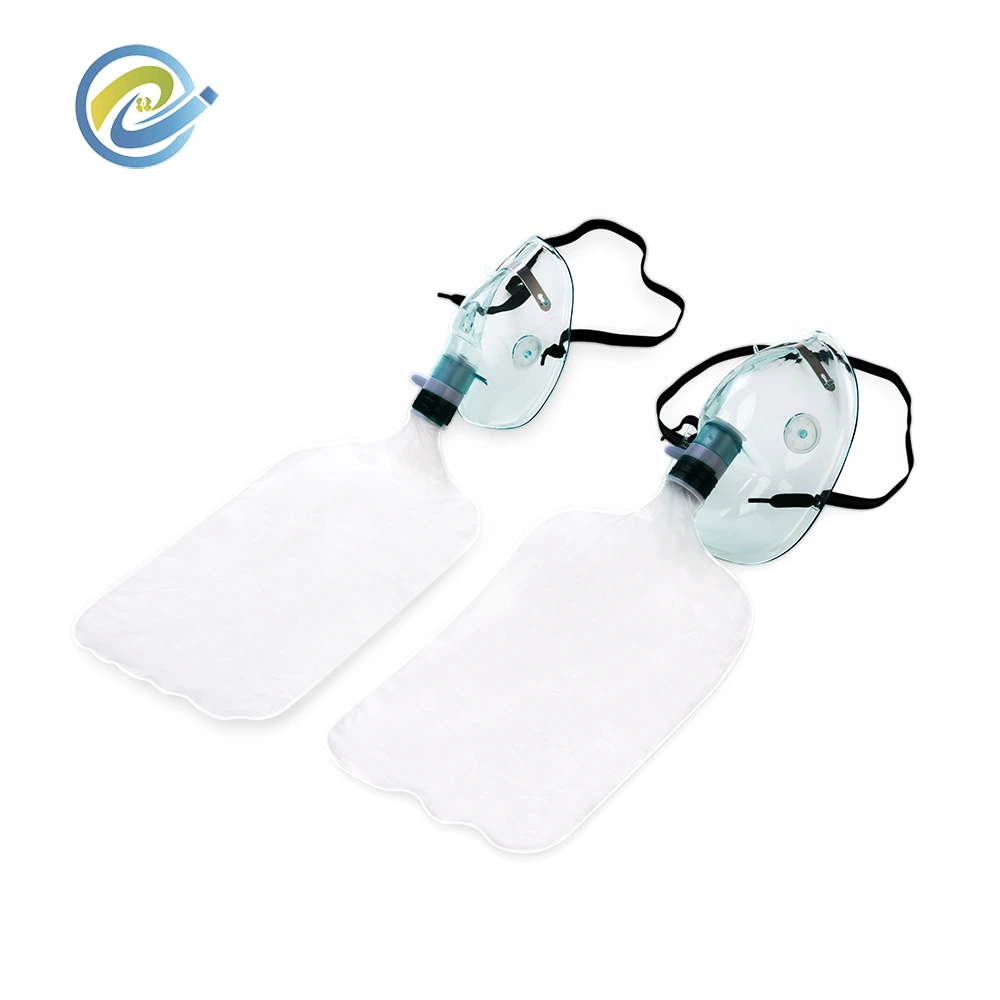
An oxygen mask typically consists of the following components:
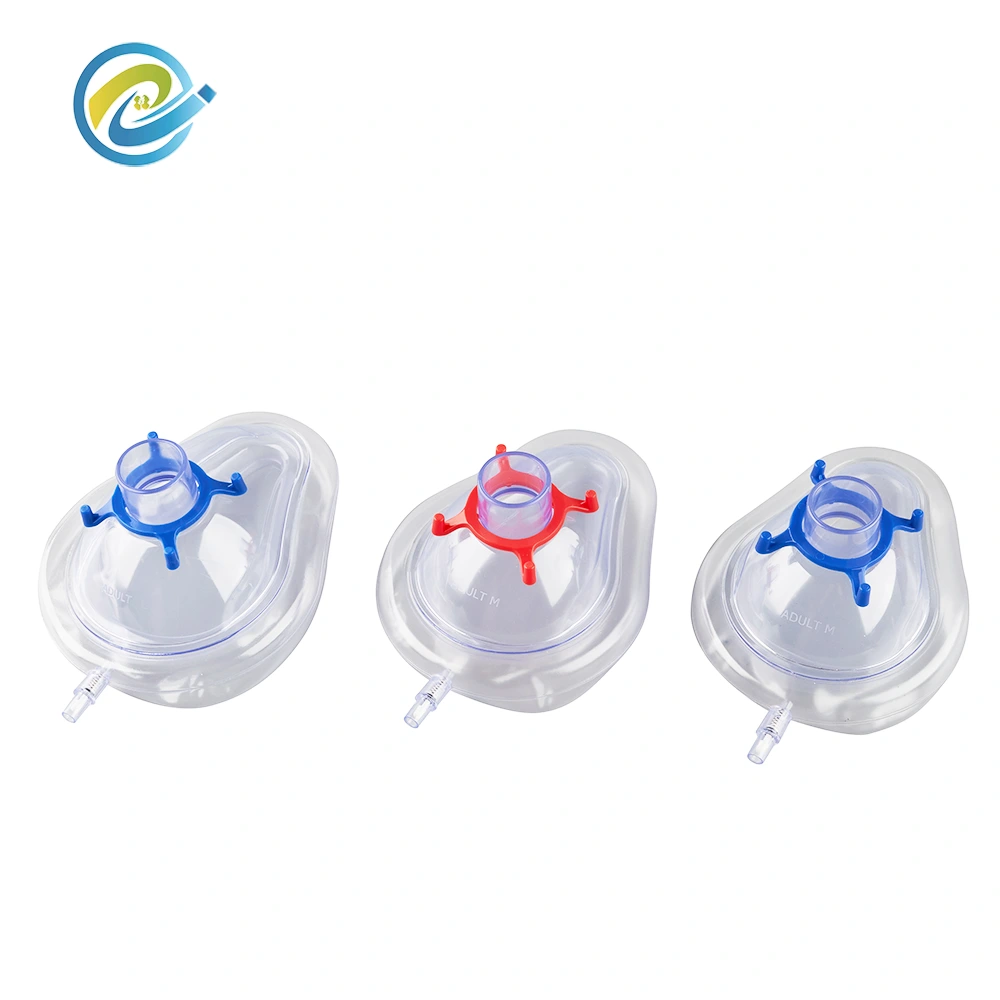
Soft mask body: Fits over the nose and mouth area, with a sealing gasket on the edge to reduce air leakage
Adjustable head strap: Secures the mask in place, suitable for different head sizes
Oxygen inlet: Connects to oxygen sources via tubing with strong universality
Size Specifications
Multiple sizes are available to meet the needs of different populations:
|
Size |
Applicable Population |
|
XS |
Infant |
|
S |
Pediatric Standard |
|
M |
Pediatric Extended |
|
L |
Adult Standard |
|
XL |
Adult Large |
|
The multi-size configuration facilitates unified stock preparation for clinical use and supply chain distribution. |
|

Product Features
Multi-size Coverage for All Populations
Suitable for infants, children, and adult patients.
Soft & Contoured Fit Design
Made of flexible materials that conform to facial contours, reducing local pressure discomfort.
Medical-grade Material
Odorless, less likely to cause skin irritation, ideal for short-term or continuous use.
Universal Inlet Design
Compatible with various oxygen equipment for broad applicability.
Aluminum Nasal Bridge Strip
Enhances nasal sealing and minimizes oxygen leakage.
Disposable Use
Reduces cross-infection risks and eliminates the need for cleaning and repeated disinfection.

Usage Instructions
1.Confirm the oxygen flow rate prescribed by physicians or caregivers.
2.Check the oxygen inlet and connecting tubing for integrity and cleanliness.
3.Place the mask over the patient’s face and adjust the head strap to proper tightness.
4.Insert the connecting tubing firmly into the oxygen inlet to ensure no leakage.
5.Monitor the patient’s condition during use; adjust flow rate or mask position if necessary.
6.After use, dispose of the mask and tubing as disposable medical supplies.
Application Scenarios & Scope
Oxygen masks are applicable to the following scenarios:
Routine oxygen inhalation in hospital wards
Short-term oxygen delivery during emergency care and patient transportation
Adjuvant therapy for respiratory system diseases
Home oxygen therapy and nursing care
Postoperative recovery support or short-term hypoxia management
Standardized use ensures stable and reliable basic oxygen therapy for patients.

Hot Tags: Oxygen Mask, Manufacturer, Supplier, Factory
Related Category
Breathing System Filters
Heat and Moisture Exchangers
Incentive Spirometers
Masks
AeroChamber
Pulmonary Function Test Accessories
Atomizers
Home Care Other Products
Disposable Breathing Circuits
Send Inquiry
Please Feel free to give your inquiry in the form below. We will reply you in 24 hours.