


Peritoneal Flow Control Clips
Jianeng Medical focuses on reliable, high-quality medical auxiliary devices. Its Peritoneal Flow Control Clips enable safe dialysate flow management, with easy one-hand operation and strong compatibility. Supporting bulk and wholesale purchases, it offers practical options for medical institutions and home care users to buy.
Send Inquiry
Product Description
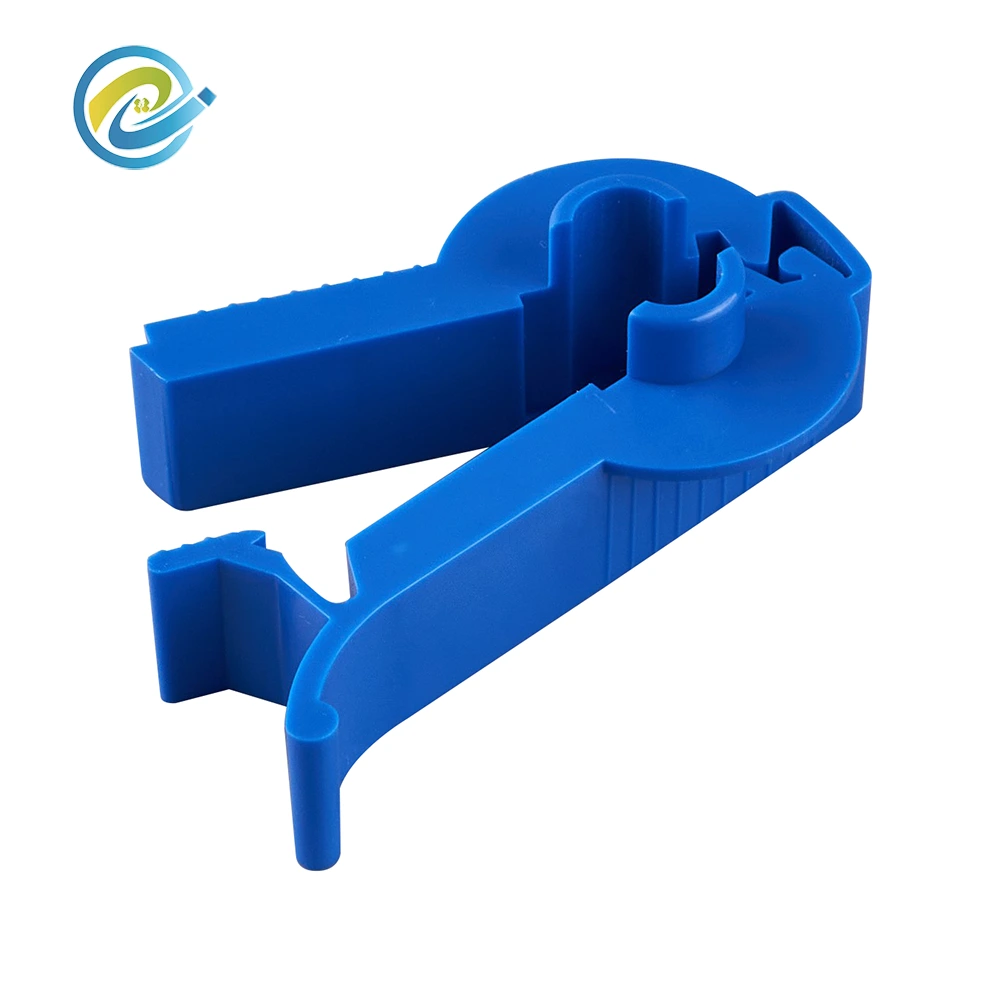
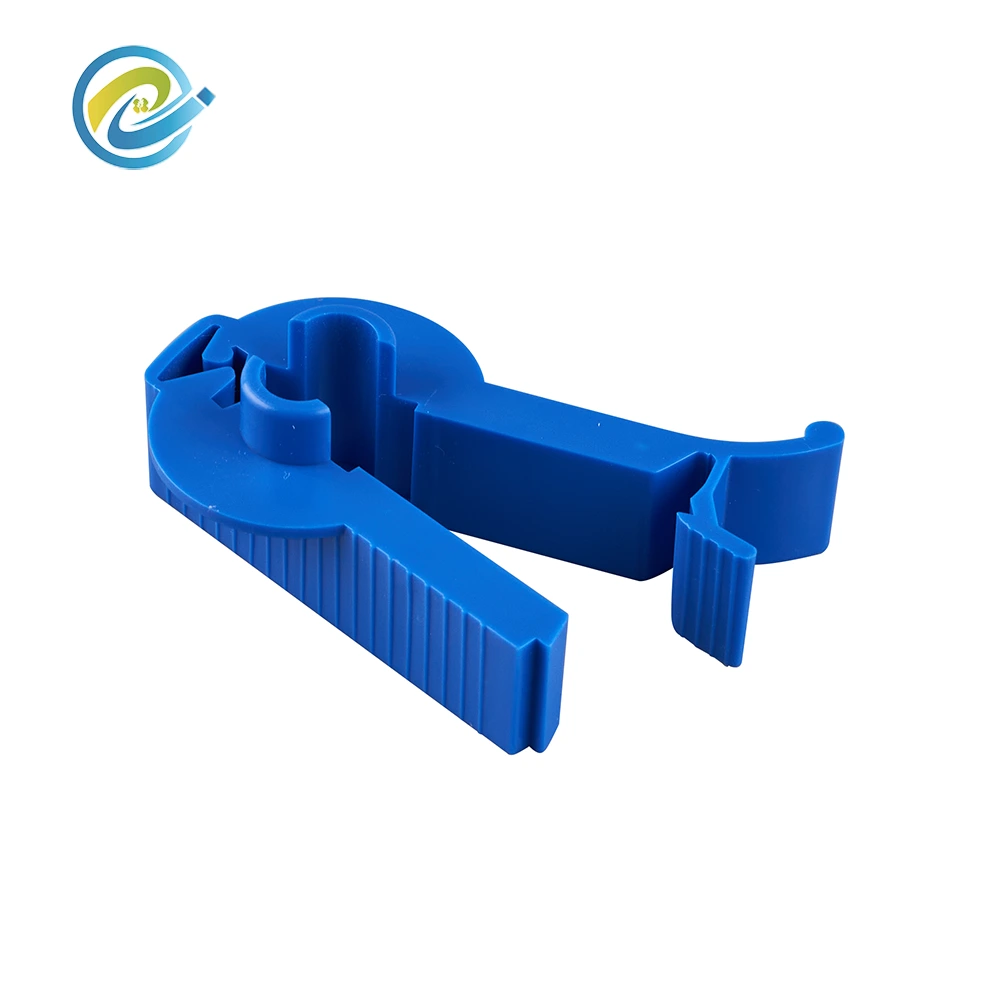
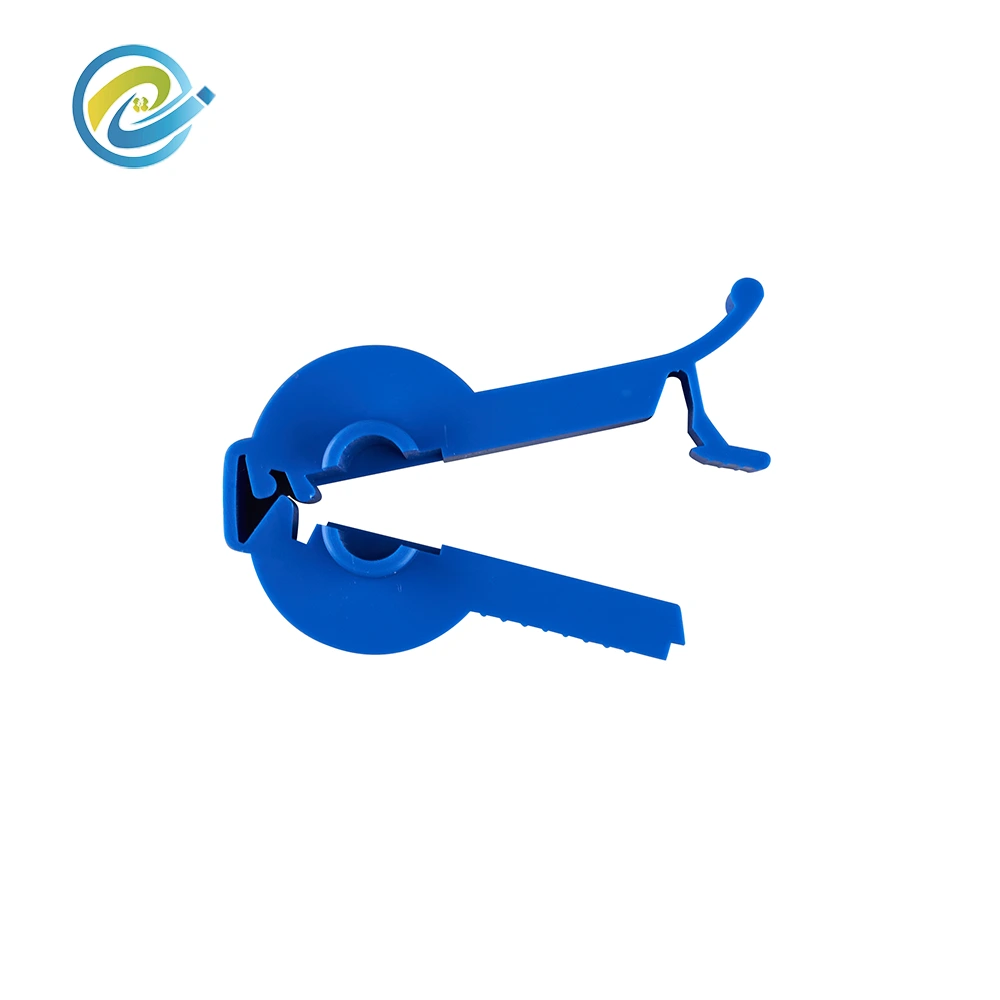
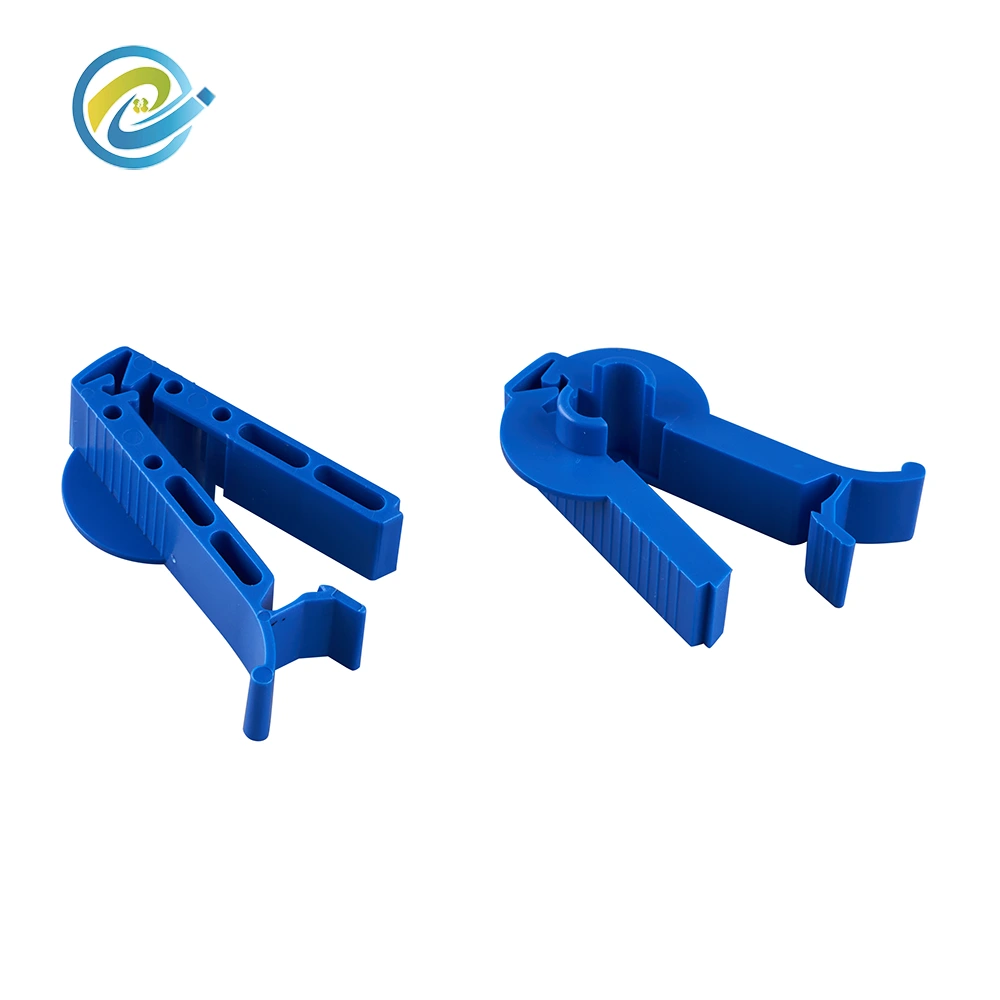
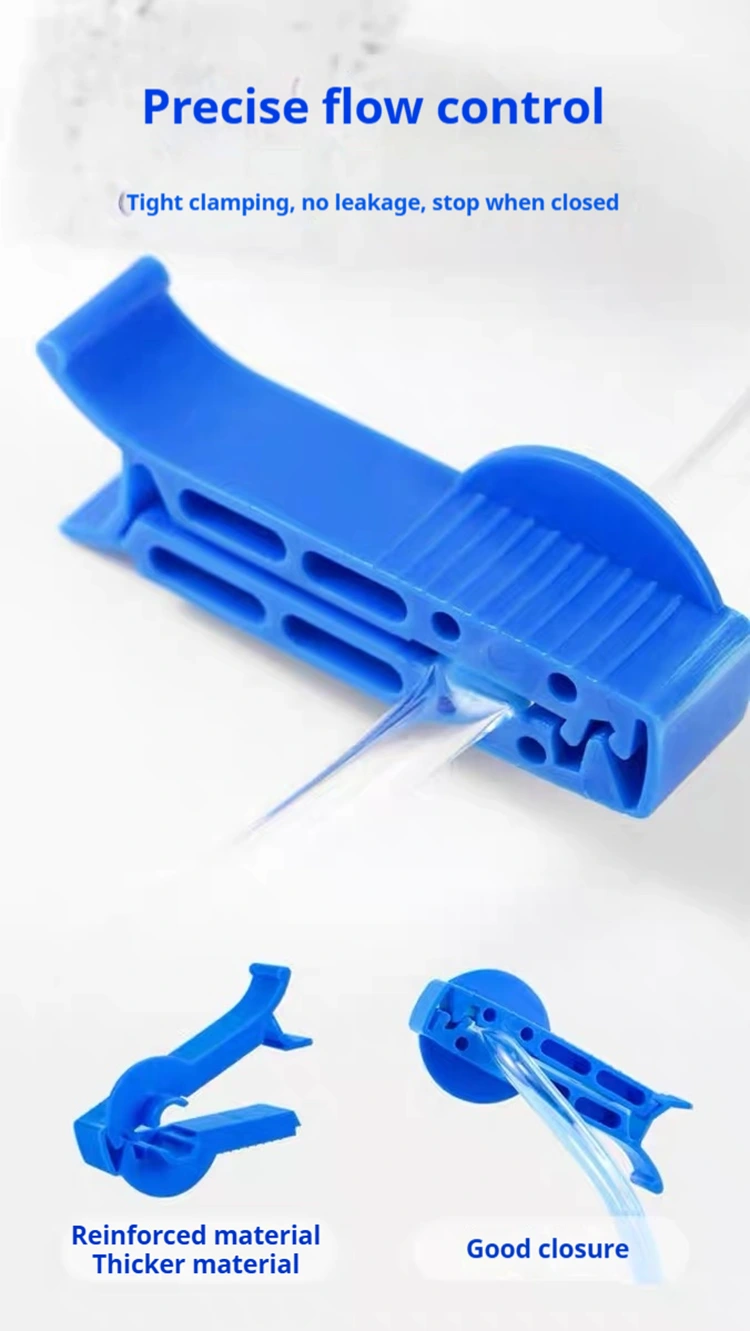
Peritoneal Flow Control Clips are commonly used auxiliary devices in peritoneal dialysis (PD) therapy. They are primarily used to clamp PD tubing to control or block the flow of dialysate. In peritoneal dialysis procedures, the flow rate and on/off status of the fluid in the tubing are directly related to treatment safety and standardization. These tubing clamps provide medical staff and patients with a stable means of flow management through a simple and reliable mechanical structure, and are widely used in hospital dialysis centers and home PD care settings.
Working Principle
Peritoneal Flow Control Clips temporarily close the lumen of the PD tubing by applying moderate clamping pressure, thereby blocking or regulating the flow of dialysate. When the clip is released, the tubing returns to its original diameter and fluid flow resumes. This method does not rely on electricity or complex structures, and the operation is intuitive and can quickly respond to practical needs in clinical and home care settings.
Core Functions
Flow control
During peritoneal filling or drainage, clamping or partially clamping the tubing can adjust the flow rate of dialysate, preventing fluid from entering or exiting the abdominal cavity too quickly, and reducing the risk of bloating, discomfort, or poor drainage.
Handling tubing abnormalities
When temporary blockages, operational adjustments, or component changes occur in the PD tubing, Peritoneal Flow Control Clips can quickly block fluid flow to prevent dialysate leakage or accidental entry into the abdominal cavity.
Managing treatment pauses and interruptions
When a brief pause in dialysis is needed for tubing connection changes or other care procedures, clamping the tubing maintains a closed system, providing a safe buffer period for the operation.
Product Features
Secure clamping
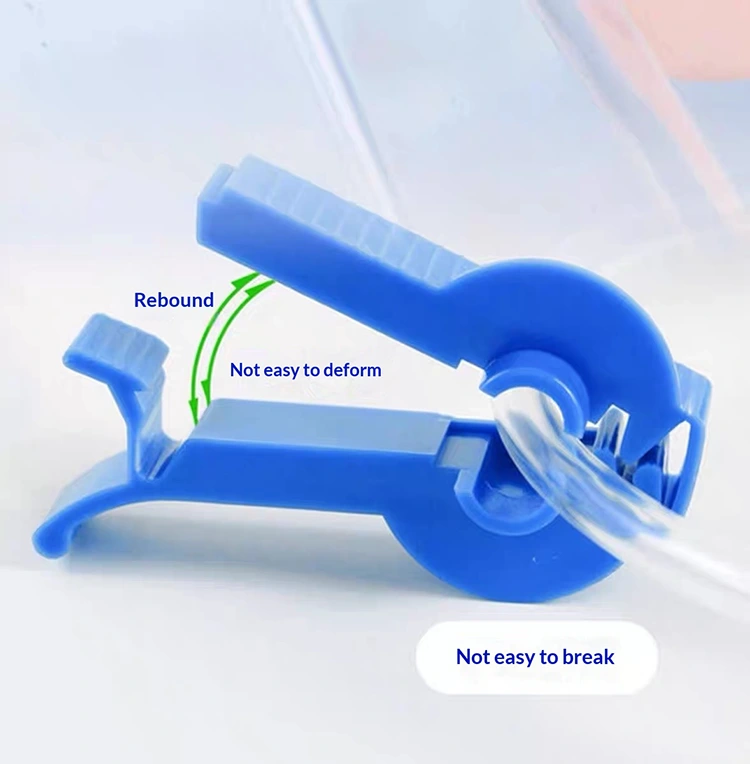
The clamping structure is well designed, ensuring even force distribution on the tubing after closure and minimizing rebound or leakage.
Easy operation
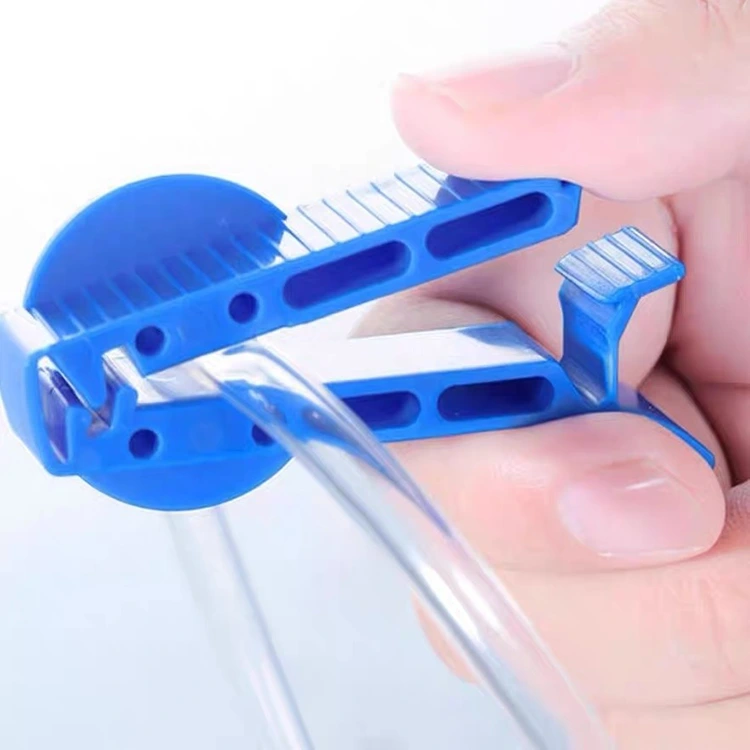
Clamping and release can be completed with one hand, making it suitable for high frequency use.
Strong compatibility
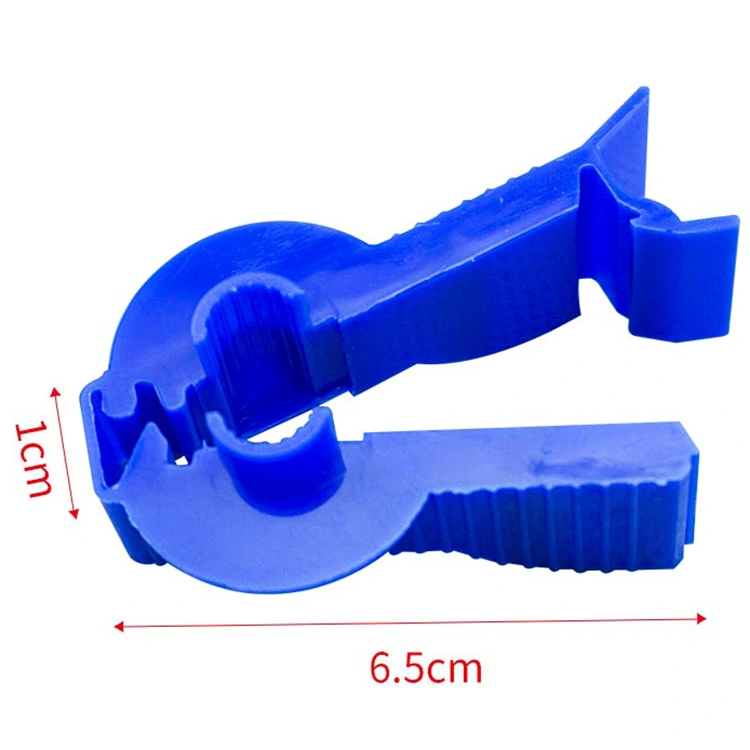
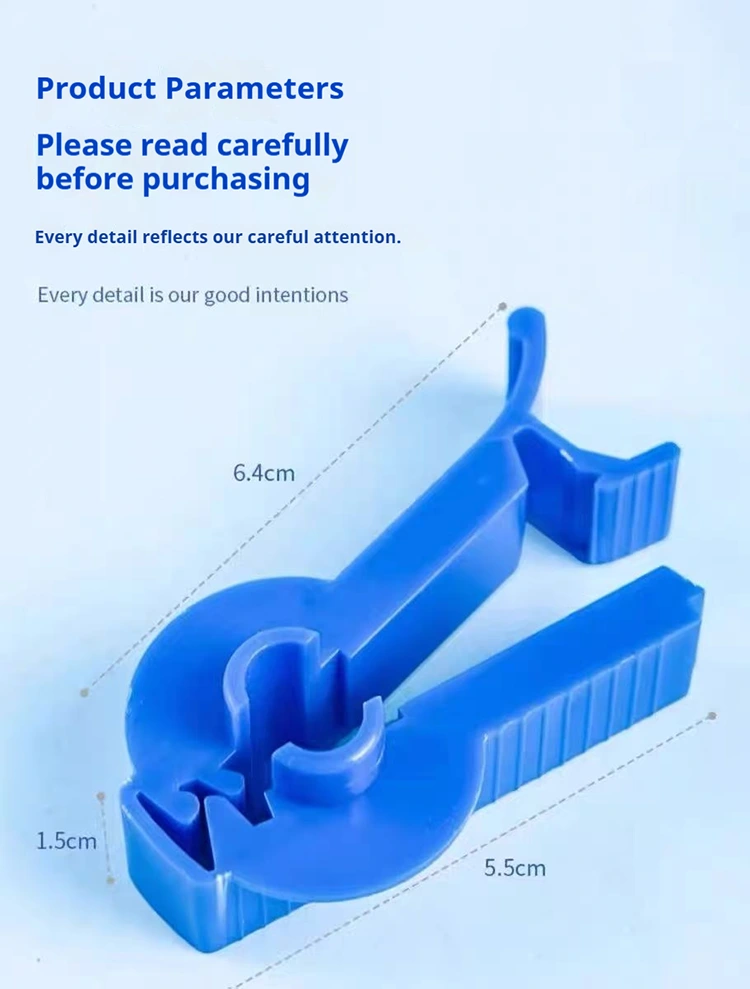
Can be used with common sizes of PD tubing without affecting the original system structure.
Reusable
Can be used multiple times provided cleanliness and structural integrity are maintained.
Risk reduction
Helps reduce the risk of fluid leakage or air entry caused by incorrect operation.
Usage Instructions
Before use, keep hands clean. The clamping position should be approximately 2–3 centimeters from the catheter interface, avoiding connectors, filters, and areas with existing damage. Apply moderate force when clamping to ensure the tubing is fully closed; do not use excessive force to avoid damaging the tube wall or internal structure.
Precautions and Maintenance
Do not clamp on catheter connectors, filters, or damaged tubing to prevent leakage or structural damage.
If fluid leakage occurs after clamping, immediately check the clip position or contact medical staff for evaluation.
Avoid pulling or squeezing the tubing during use to prevent accidental loosening of the clip.
If the clip does not close tightly, loses elasticity, or becomes structurally loose, replace it promptly.
Application Value Summary
Although Peritoneal Flow Control Clips are small auxiliary devices in the peritoneal dialysis treatment system, they play a key role in flow control, safety management, and procedural standardization. With a simple structure and clear functions, they are suitable for standardized use in medical institutions as well as for home PD patients under medical guidance, providing reliable physical control support for the peritoneal dialysis process.
Hot Tags: Peritoneal Flow Control Clips, Manufacturer, Supplier, Factory
Related Category
Breathing System Filters
Heat and Moisture Exchangers
Incentive Spirometers
Masks
AeroChamber
Pulmonary Function Test Accessories
Atomizers
Home Care Other Products
Disposable Breathing Circuits
Send Inquiry
Please Feel free to give your inquiry in the form below. We will reply you in 24 hours.