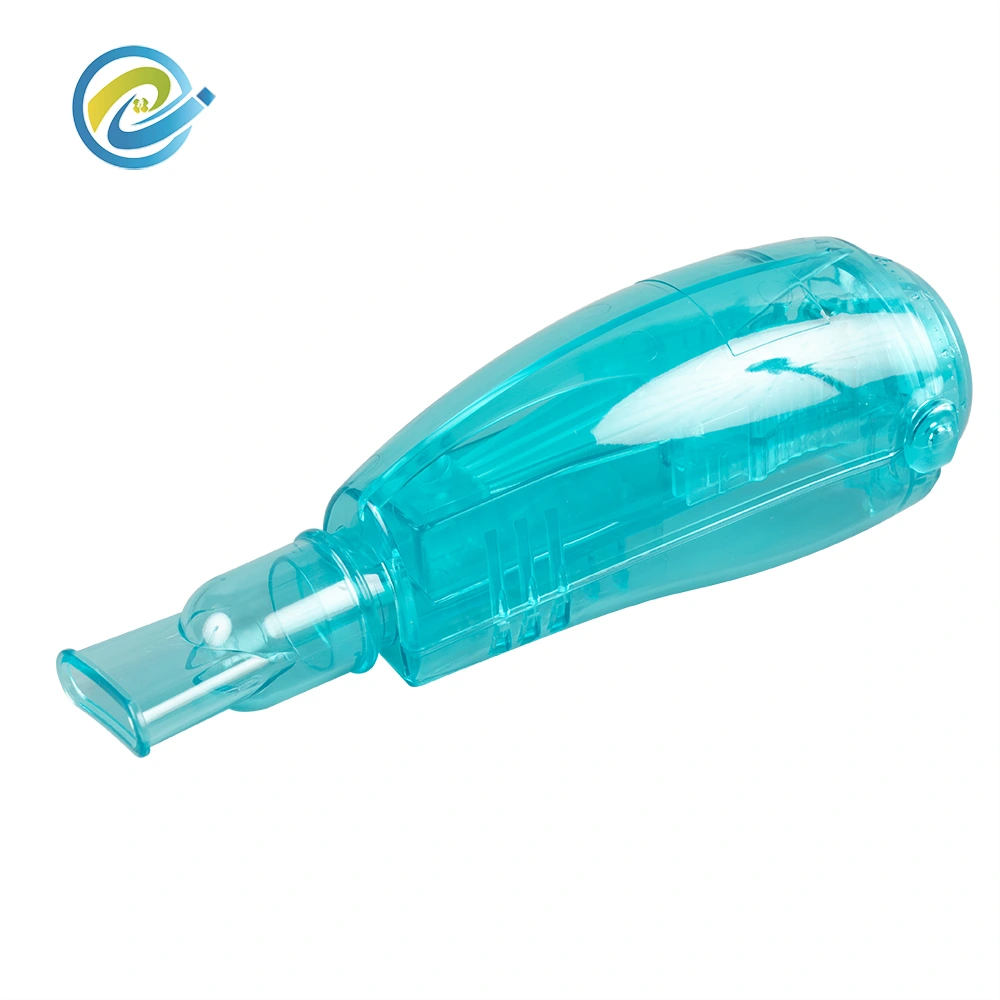



Positive Expiratory Pressure Therapy
Jianeng Medical is a professional Chinese manufacturer with years of experience in respiratory therapy devices. Its Positive Expiratory Pressure Therapy Device clears lung mucus via stable expiratory resistance, suiting chronic lung patients and post-op rehab. It supports bulk buy and wholesale, ensuring reliable quality for clinical and home use.
Send Inquiry
Product Description
Positive Expiratory Pressure Therapy (PEP for short) is a commonly used respiratory therapy for airway clearance. By generating stable resistance during the expiratory phase, it helps loosen and clear pulmonary mucus. When users exhale, airflow encounters controlled resistance, forcing air to flow behind the mucus and push secretions adhering to airway walls into larger airways for effective expectoration.
Widely applicable to patients with chronic pulmonary diseases, those with impaired lung function after surgery, and individuals with difficulty expelling airway secretions, this device ranks among the most frequently used therapies in Airway Clearance Therapy (ACT).
Working Principle
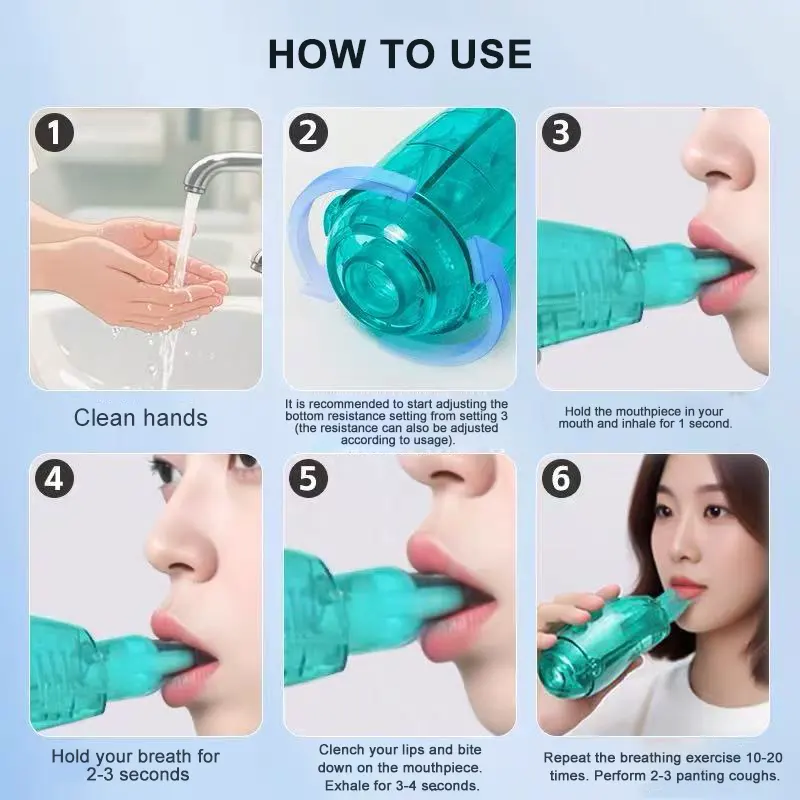
During Positive Expiratory Pressure Therapy, patients perform expiratory training through the device, which generates constant positive pressure resistance via its internal structure. The core mechanisms are as follows:
Expiratory resistance keeps airways open at the end of expiration, reducing small airway collapse.
Pressurized airflow penetrates behind mucus, loosening it from airway walls.
Loosened secretions are propelled into central airways and then expelled via active coughing.
Oscillatory PEP (OPEP) devices add airflow oscillation frequency on this basis, further breaking down mucus structure and improving sputum clearance efficiency.
This mechanism achieves stable, reproducible airway clearance without requiring complex operations.
Product Features
Stable Resistance Output
Delivers continuous, controllable positive expiratory pressure through structural design to maintain airway patency.
Promote Airway Secretion Mobilization
Leverages airflow pressure difference to drive air behind mucus and reduce secretion adhesion.
Oscillation Function Compatible (OPEP)Superimposes oscillation during expiration to enhance mucus loosening effect.
Simple Operation & High Compliance
Suitable for long-term management, easy for patients to reuse at home or in clinical settings.
Compatible with Medication Therapy
Helps improve pulmonary distribution of nebulized medications such as bronchodilators.
Clinical Indications & Application Scenarios
Positive Expiratory Pressure Therapy is commonly indicated for the following populations and conditions:
Acute or chronic respiratory insufficiency related to surgery
Neurological or musculoskeletal disorders (e.g., motor neuron disease)
Elderly people and individuals with long-term mobility limitations
Patients requiring increased lung volume, functional residual capacity (FRC) and tidal volume (VT)
Pulmonary hyperinflation or air trapping conditions (e.g., emphysema, chronic bronchitis, asthma)
It also applies to diseases requiring improved airway clearance capability, including:
Cystic fibrosis (for patients aged 4 and above)
Chronic bronchitis
Bronchiectasis
Bronchiolitis obliterans
In airway hygiene therapy, PEP devices are also often used to enhance the efficacy of bronchodilator treatment.
Therapeutic Value & Significance
Regular application of Positive Expiratory Pressure Therapy can help to:
Improve pulmonary ventilation distribution
Reduce infection risks caused by secretion retention
Alleviate dyspnea
Support long-term pulmonary function management
Its therapeutic logic is based on respiratory physiology principles, applicable to various chronic and convalescent pulmonary conditions.
Hot Tags: Positive Expiratory Pressure Therapy, Manufacturer, Supplier, Factory
Related Category
Send Inquiry
Please Feel free to give your inquiry in the form below. We will reply you in 24 hours.
Related Products