
Home > Products > Heat and Moisture Exchangers > Tracheal HME > Tracheostomy Heat and Moisture Exchanger


Tracheostomy Heat and Moisture Exchanger
Jianeng Medical is a professional China manufacturer with years of experience in clinical respiratory devices. Its Tracheostomy Heat and Moisture Exchanger (HME), an "artificial nose," retains exhaled heat/moisture to protect airways. EO-sterilized, easy to operate, it fits ICUs and post-op patients, reducing treatment costs. Bulk buy is supported, with reliable quality and flexible connections, streamlining medical procurement.
Send Inquiry
Product Description
Core Product Overview
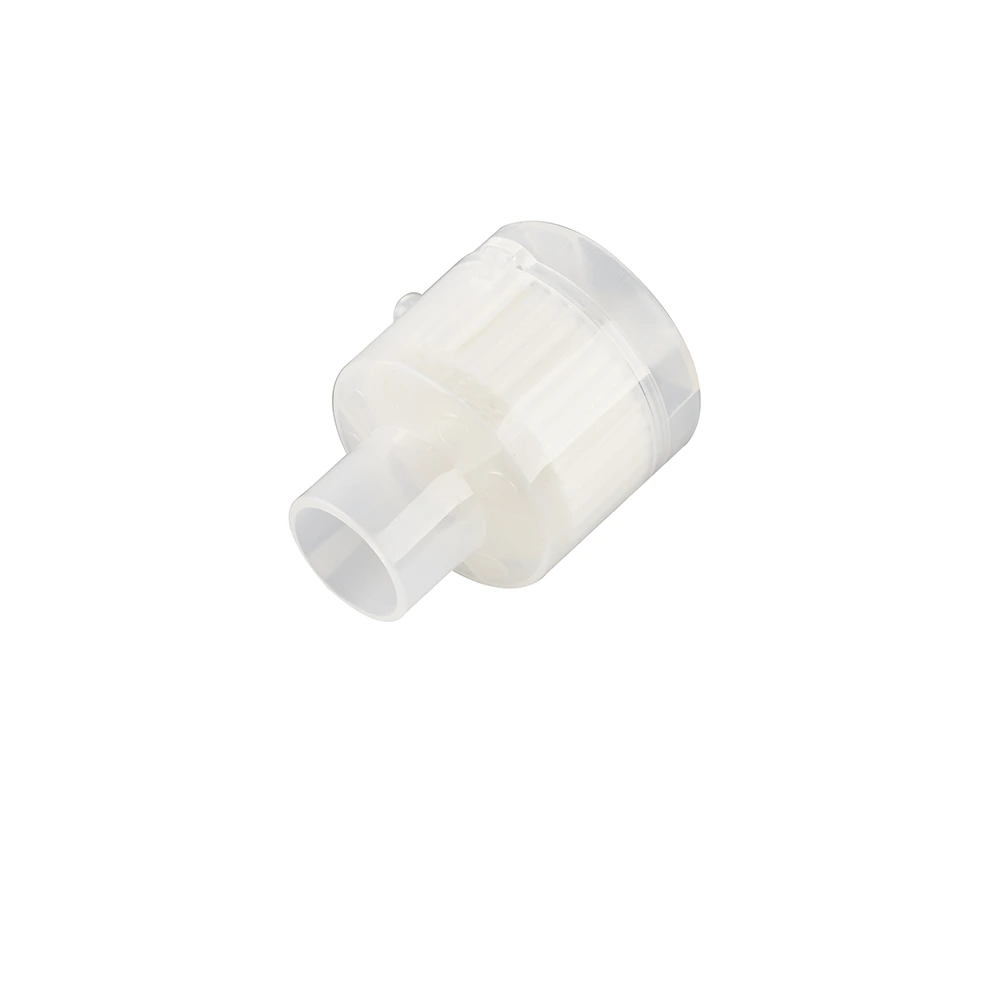
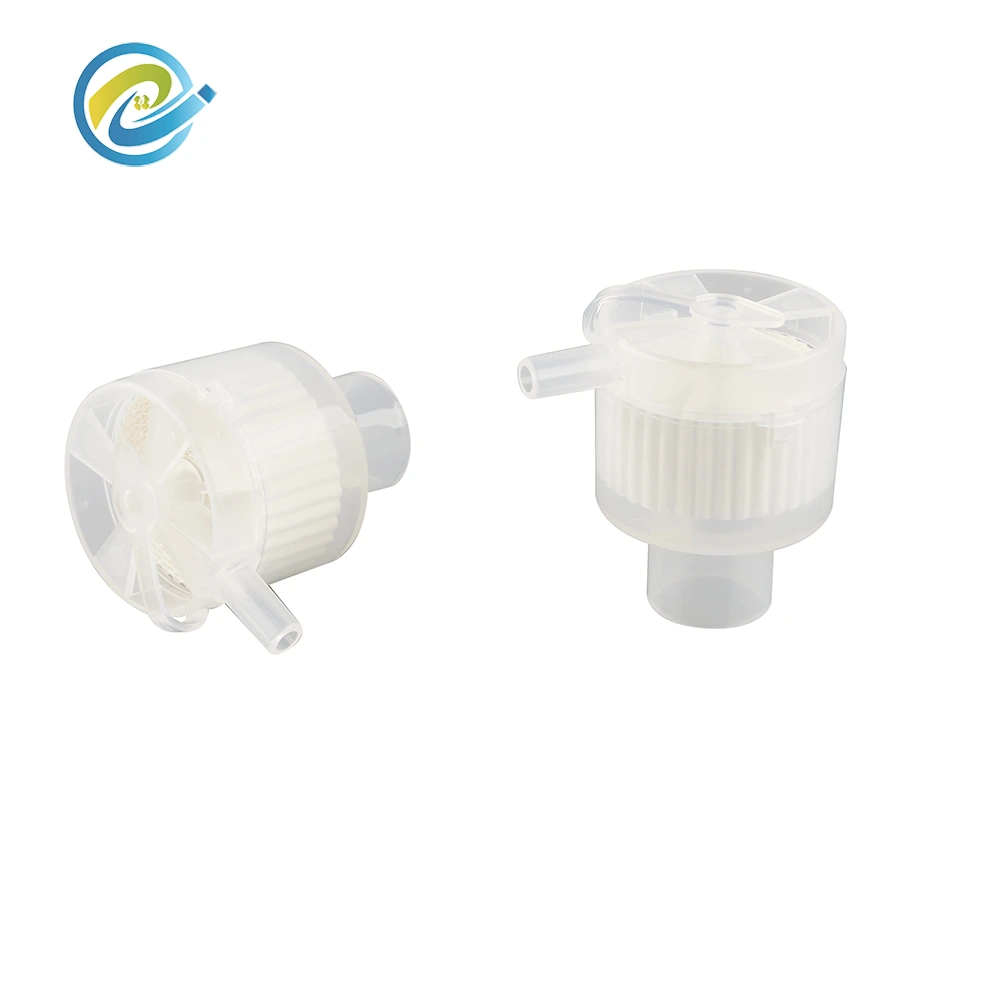
The Tracheostomy Heat and Moisture Exchanger (HME), also known as an "artificial nose," functions similarly to the human natural nose and is a commonly used clinical respiratory auxiliary device. Composed of a plastic or paper filter and a humidification pad, it is equipped with air inlets and outlets. Specifically designed for patients after tracheotomy, it can be directly inserted through the tracheotomy incision and is usually used in connection with a ventilator or breathing bag. Its core function is to retain part of the moisture and heat from the patient's exhaled air and return them to the respiratory tract during inhalation, thereby increasing the temperature and humidity of the inhaled gas and providing gentle protection for the respiratory tract.
Working Principle & Core Functions
The Tracheostomy Heat and Moisture Exchanger operates on a simple and efficient principle: when the patient exhales, the gas flows through the humidification pad and filter inside the device, where moisture and heat are effectively retained; during inhalation, these retained warm and humid gases return to the respiratory tract along with the inhaled air flow, avoiding irritation of the airway by dry gas.
Its main functions cover various clinical needs:
Assists patients with respiratory failure or post-head-and-neck surgery in mechanical ventilation, stably supporting respiratory function;
Prevents airway obstruction caused by sputum accumulation, ensuring unobstructed breathing;
Assists in draining sputum from the trachea when sputum buildup leads to breathing difficulties;
Establishes a protective barrier for the airway, isolating external interference and reducing the risk of infection;
Supports direct delivery of medications into the airway, enabling more precise treatment and facilitating the recovery of respiratory diseases.


Product Features & Advantages
The core advantages of the Tracheostomy Heat and Moisture Exchanger are closely aligned with clinical practical needs, featuring outstanding utility:
Firstly, it significantly reduces moisture and heat loss in mechanically ventilated patients, alleviates respiratory discomfort and dry cough symptoms, and improves patient tolerance;
Secondly, it can replace traditional humidifiers, greatly reducing treatment costs and easing the medical burden;
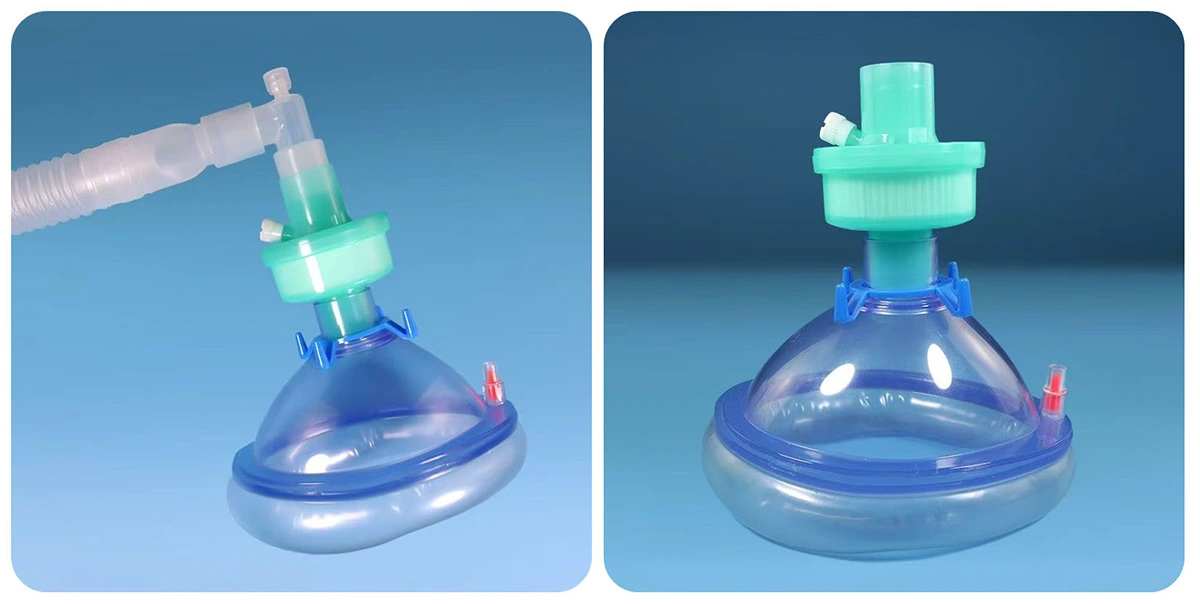
Thirdly, it undergoes ethylene oxide sterilization for safer use and can be flexibly connected to various related consumables such as masks and pipelines, adapting to different clinical scenarios;
The device has a simple structure and is easy to operate without complex debugging, allowing medical staff to master it quickly.
Application Scenarios
The product has a wide range of applications, covering various departments requiring ventilator treatment, including Intensive Care Units (ICU), Department of Respiratory Medicine, Emergency Department, Anesthesiology Department, etc. Clinically, it can be used in multiple scenarios such as mechanical ventilation, endotracheal intubation, bronchoscopy, and postoperative respiratory therapy. It is particularly suitable for respiratory assistance and airway care of critically ill patients, post-anesthesia patients, and patients after tracheotomy, making it an essential respiratory consumable for multiple departments.
Product Specifications & Precautions
Product Specifications
Oxygen tube connection caliber: 0.5 cm
Tidal volume range: 200-1500 mL
Moisture output: 25 mg/@500 VT
Sterilization method: Ethylene oxide sterilization
Precautions
Regular replacement: The device should be replaced in a timely manner according to usage conditions to avoid bacterial growth and ensure safe use;
Patient monitoring: During use, closely observe the patient's respiratory status as well as the color and volume of sputum. If abnormalities occur, contact medical staff for handling immediately.
With its gentle airway care effect, convenient operation, and wide adaptability, the Tracheostomy Heat and Moisture Exchanger has become a reliable choice for clinical respiratory auxiliary treatment, effectively meeting the core needs of medical staff and patients.
Hot Tags: Tracheostomy Heat and Moisture Exchanger, Manufacturer, Supplier, Factory
Related Category
Send Inquiry
Please Feel free to give your inquiry in the form below. We will reply you in 24 hours.
Related Products