
Home > Products > Heat and Moisture Exchangers > HME Filters > Adult Size Heat and Moisture Exchanger Filter


Adult Size Heat and Moisture Exchanger Filter
Jianeng Medical is a professional China manufacturer with years of experience in respiratory medical consumables, offering stable Quality, reliable supply, and Wholesale support. The Adult Size Heat and Moisture Exchanger Filter provides effective humidification, heat retention, and high-level filtration for ventilation therapy. It supports Bulk purchasing with competitive price options for global buyers.
Send Inquiry
Product Description
Core Product Overview
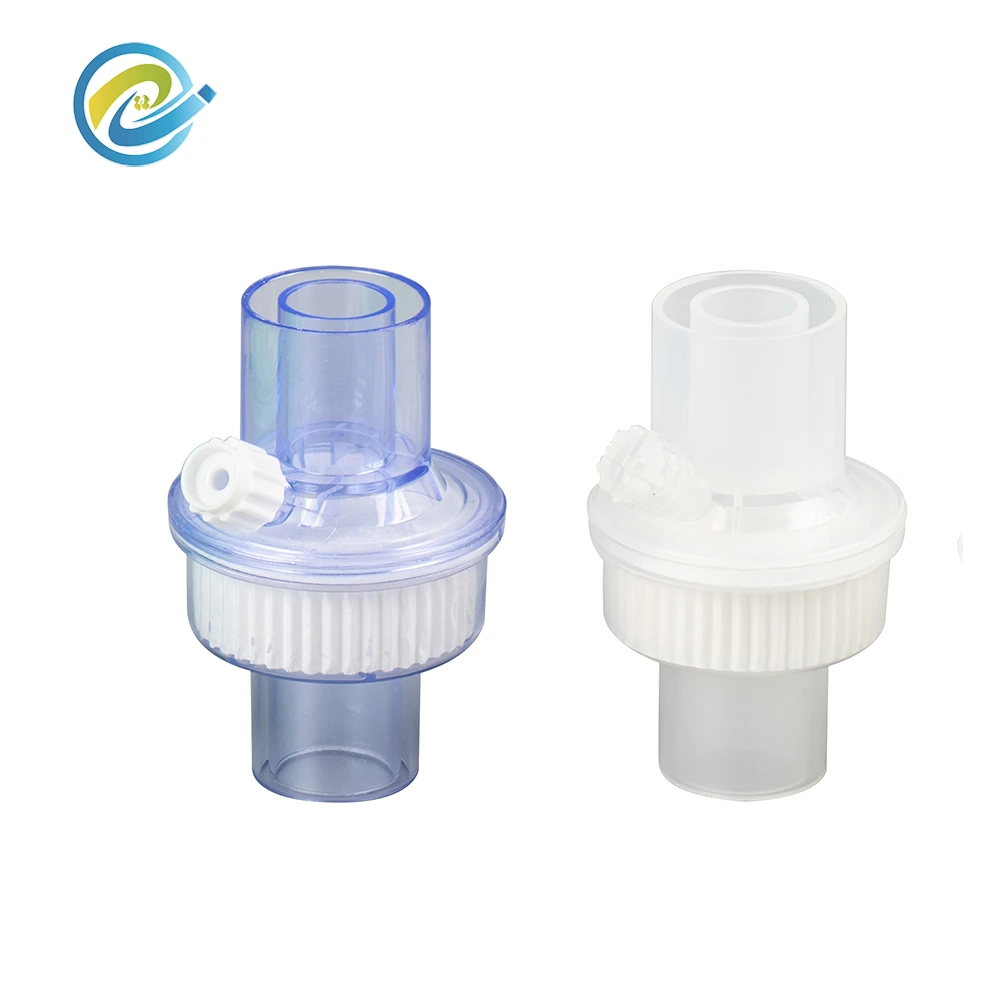
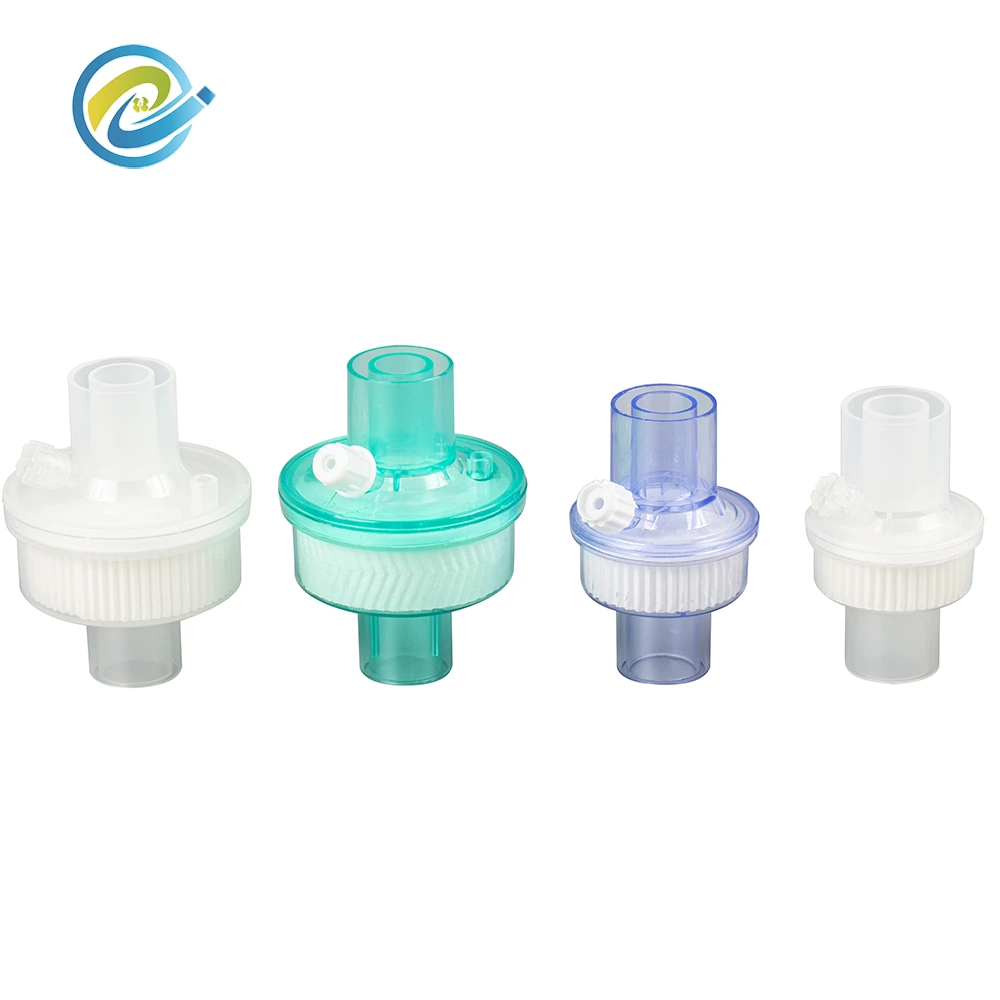
Heat and Moisture Exchanging Filter (HME filter), also known as an 'artificial nose,' functions similarly to the human natural nose and is commonly used as a respiratory support device in clinical settings. It comes in various colors, with white and green being more common.
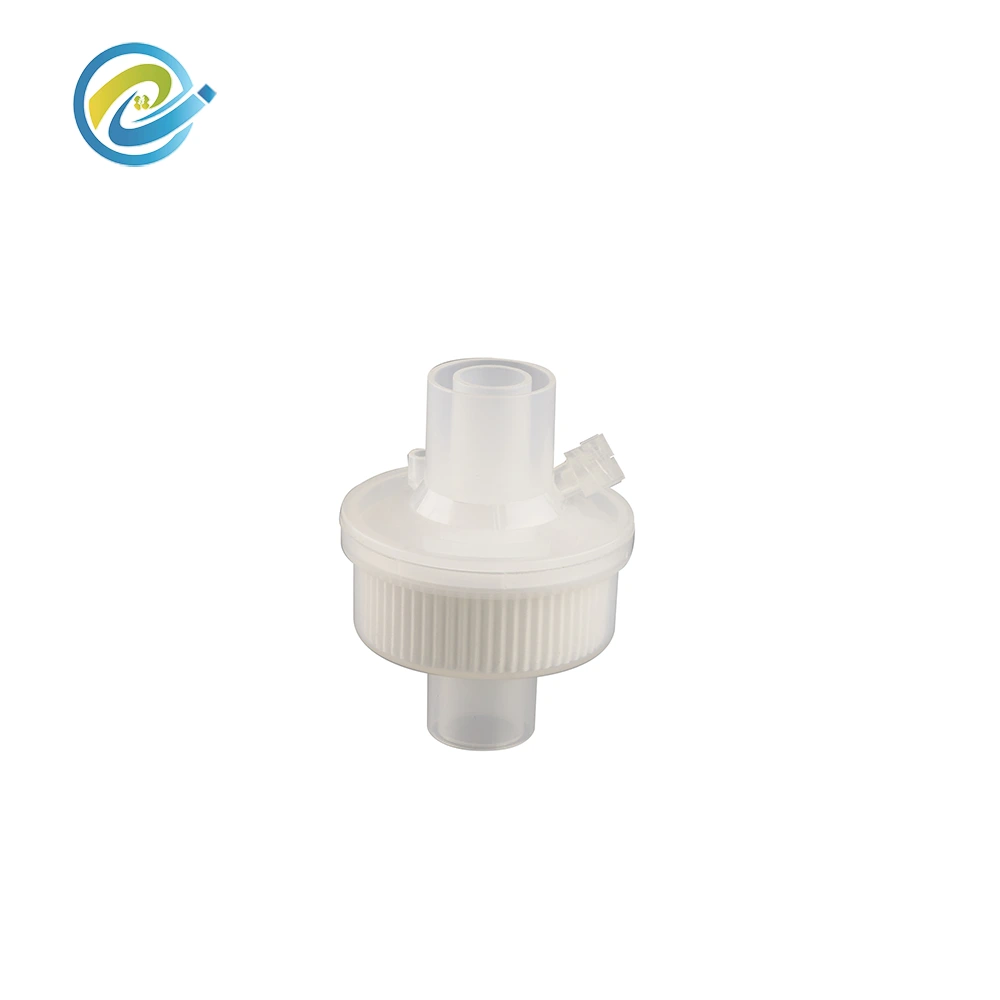
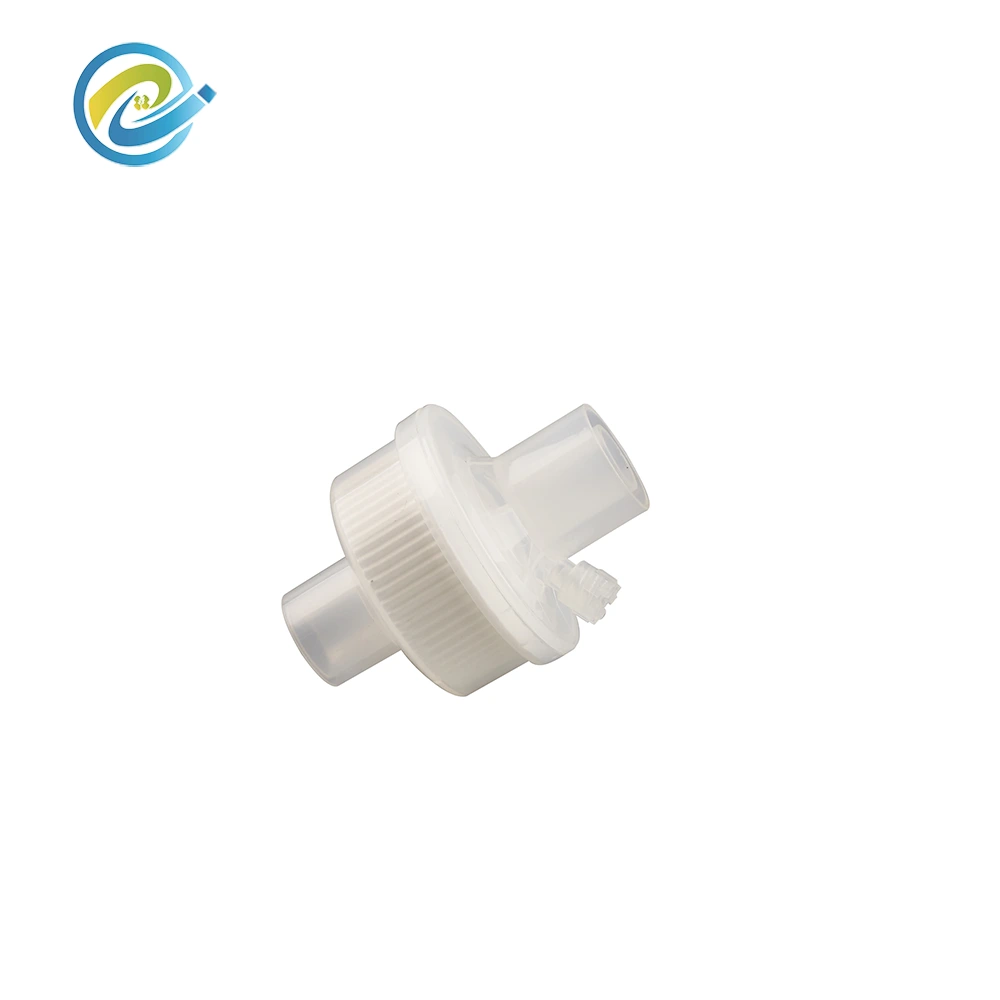
Composed of medical-grade plastic, paper filter media and a humidification pad, it is equipped with air inlets and outlets for flexible connection to consumables such as masks and breathing circuits. Its core function is to recover moisture and heat from the patient's exhaled air, return them to the respiratory tract during inhalation, and filter gas impurities at the same time, providing patients with breathing gas that is optimal in temperature and humidity, as well as pure and safe.
Working Principle & Core Functions
This Heat and Moisture Exchanger Filter operates on a simple and efficient principle, with its core functions covering three key aspects:
Filtration & Protection: Multi-layer filter media can trap airborne particles, bacteria and viruses, achieving over 99.99% filtration efficiency for both bacteria and viruses to ensure the purity of inhaled gas;
Temperature & Humidity Regulation: Hygroscopic materials recover moisture and heat from exhaled air, humidifying and warming the dry air for the next inhalation, preventing dryness-induced damage to the respiratory mucosa and reducing the risk of infection;
Anti-reflux Design: Prevents the patient's secretions or condensate from flowing back into the ventilator circuit, protecting the equipment and lowering contamination risks.
Product Features & Advantages
The advantages of the Heat and Moisture Exchanger Filter are closely aligned with clinical practical needs, delivering outstanding utility:
Firstly, it reduces water and heat loss for patients during ventilator treatment, alleviating breathing discomfort and dry cough;
Secondly, it can replace a separate humidifier, significantly reducing treatment costs; thirdly, the product is lightweight and portable, improving patient comfort;
The slightly increased breathing resistance helps maintain normal lung function;
Furthermore, its reliable sealing performance, strong interface compatibility, and compatibility with various respiratory devices make it easy to operate without complex adjustments.
Detailed Product Specifications
|
Product Specification |
Recommended Tidal Volume |
Resistance |
Bacterial Filtration Efficiency |
Viral Filtration Efficiency |
|
Adult Size |
150–1500 mL |
<0.3 KPA (30 LPM) |
>99.99% |
>99.99% |
Unified Interface Dimensions: One end has an outer diameter of 25mm, and the other end 22mm, facilitating connection to various respiratory pipelines and equipment.
Application Scenarios
The Heat and Moisture Exchanger Filter has a wide range of applications, primarily used for patients who have undergone tracheotomy or laryngectomy to help restore the natural humidification process;
It can also be used for gas humidification during mechanical ventilation, or in conjunction with CPAP/BiPAP devices to replace a standalone humidifier;
It is suitable for multiple departments such as intensive care units, respiratory medicine, anesthesiology, and emergency medicine, meeting various clinical needs such as postoperative respiratory therapy and airway care.
Important Precautions
Regular Replacement: Replace the device regularly as required, typically every 24 hours or once a week, to prevent bacterial growth;
Proper Storage: Unused Heat and Moisture Exchanger Filters should be stored in sealed bags to avoid absorbing moisture from the air, which may affect performance;
Initial Use: Some patients may produce a small amount of mucus in the lungs when using the device for the first time. This is a normal phenomenon and will gradually subside as the body adapts, so no excessive worry is needed.
With its practical functions, stable performance and wide compatibility, this product has become a reliable choice for clinical respiratory auxiliary treatment, effectively meeting the core needs of medical staff and patients.
Hot Tags: Adult Size Heat and Moisture Exchanger Filter, Manufacturer, Supplier, Factory
Related Category
Send Inquiry
Please Feel free to give your inquiry in the form below. We will reply you in 24 hours.