


Anesthesia Breathing Circuit
Jianeng Medical excels in providing advanced medical devices with reliable quality. Its Anesthesia Breathing Circuit, a critical tool for anesthesia and respiratory support, features superior sealing and strong compatibility. Bulk buy and wholesale options are available, offering competitive price and customized solutions to meet diverse clinical needs of medical institutions.
Send Inquiry
Product Description
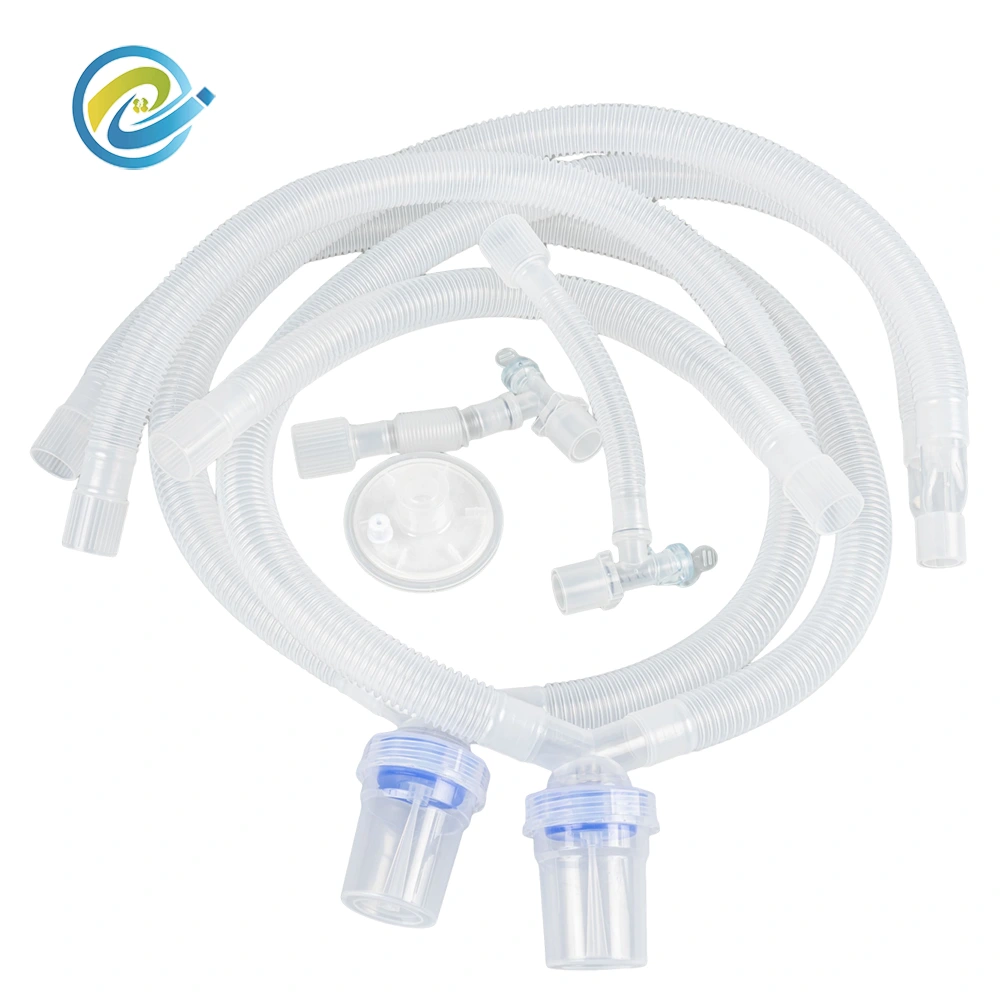
The Anesthesia Breathing Circuit (Disposable Anesthesia Ventilation Circuit) is a critical medical device used in clinical anesthesia and respiratory support. Designed for use with anesthesia machines and ventilators, it helps medical staff establish an artificial airway for patients. As the primary pathway for delivering anesthetic gases, oxygen, and other medical gases into the patient’s body, the circuit directly impacts the safety and stability of mechanical ventilation.
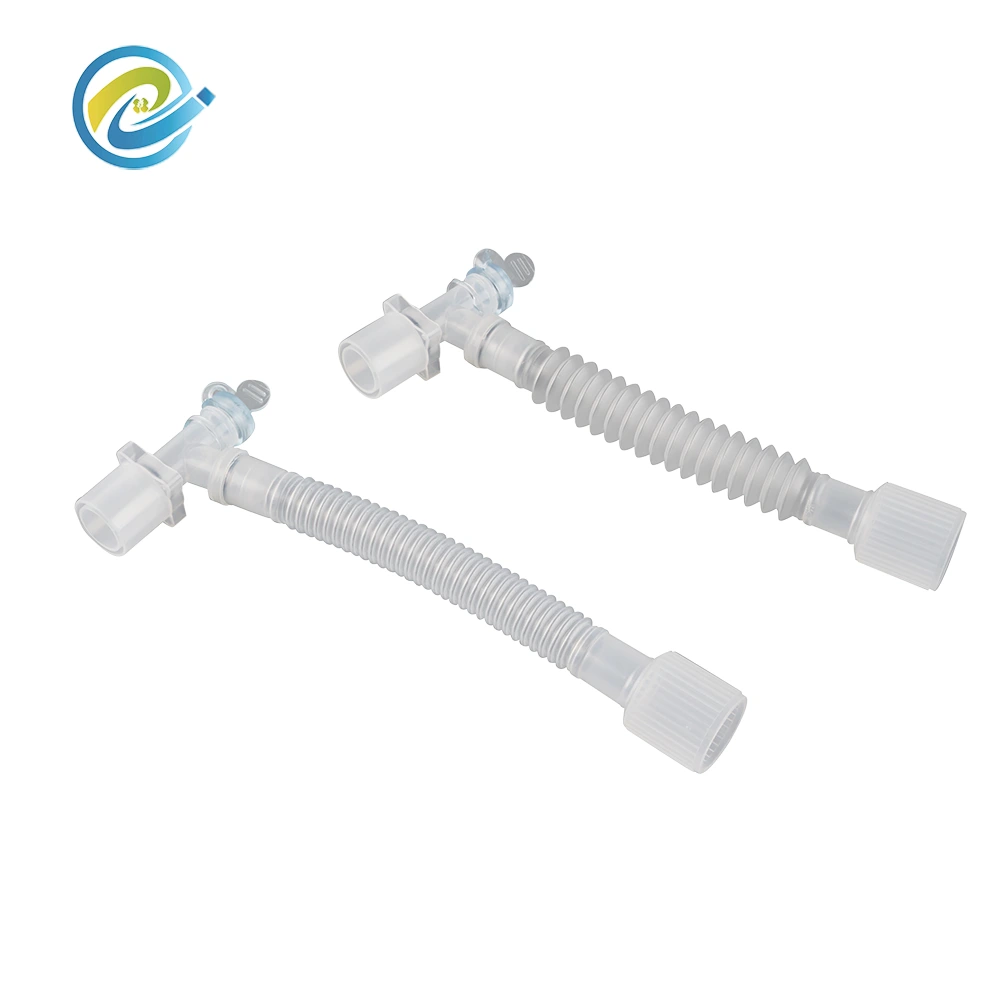
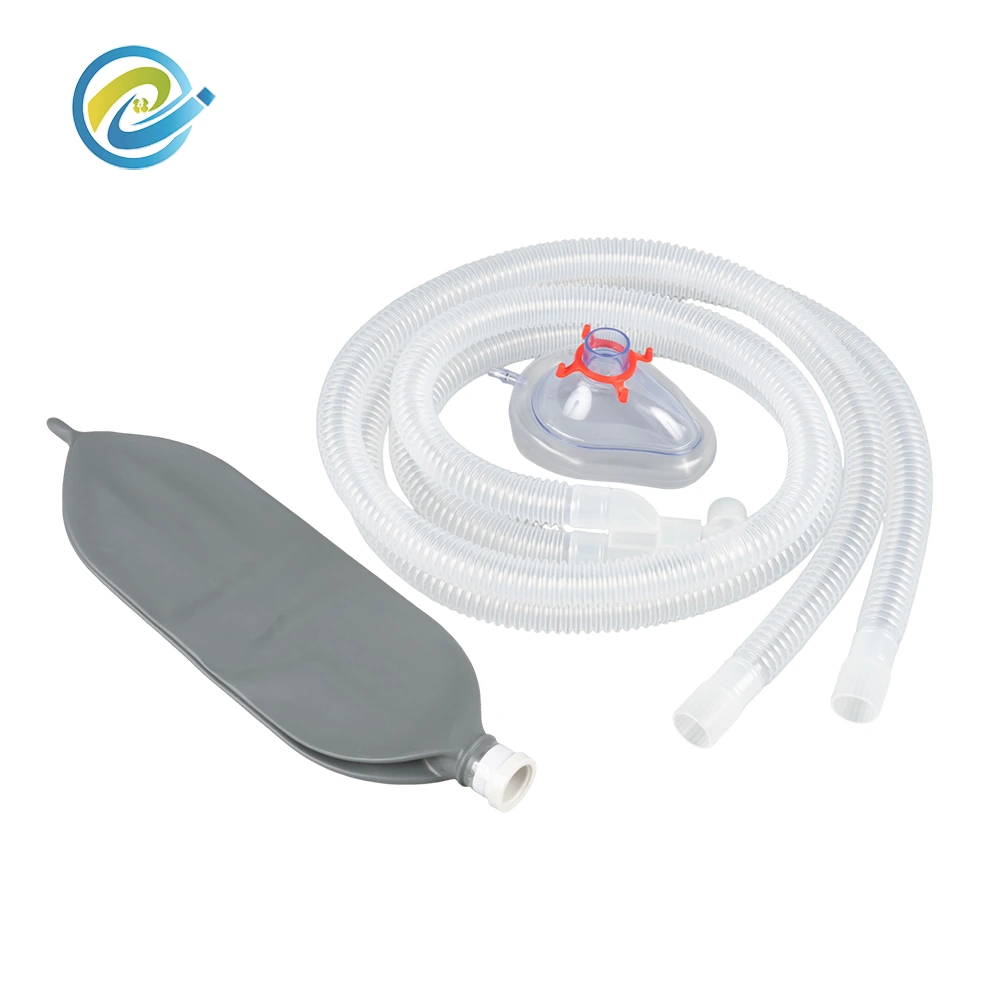
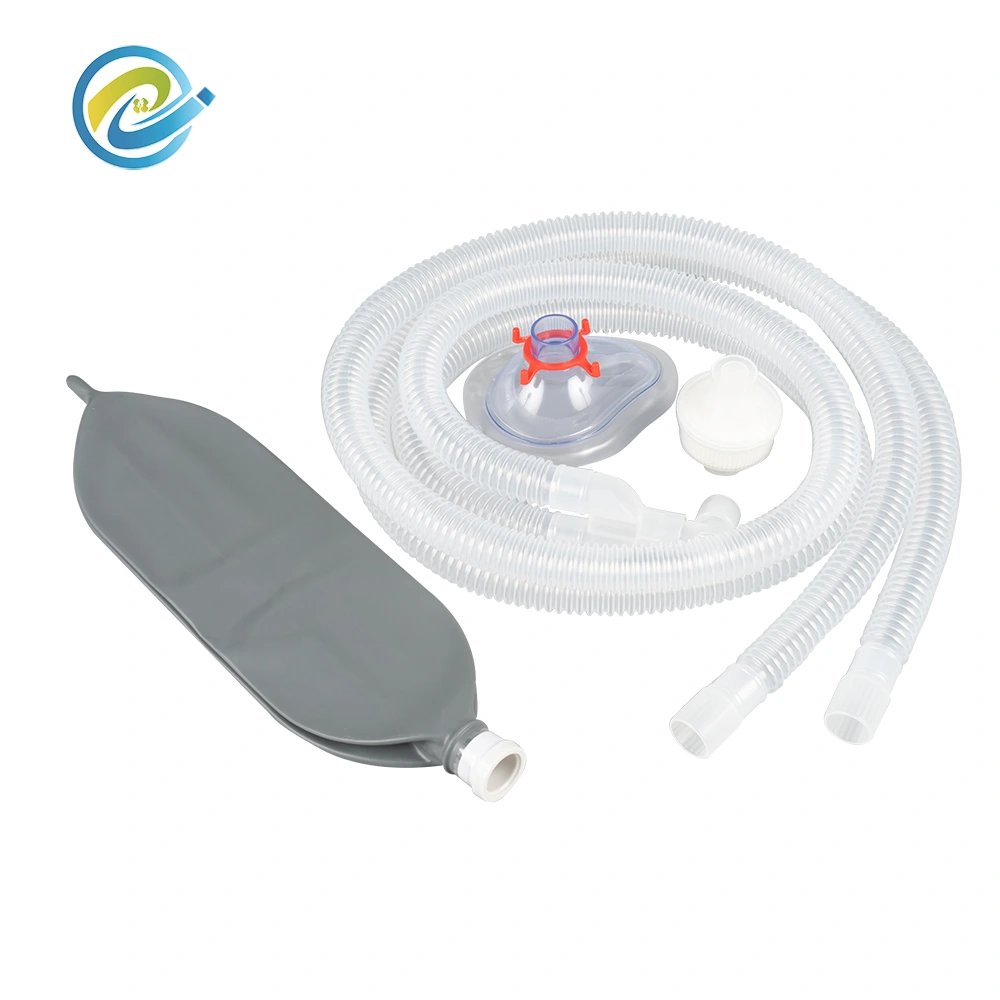
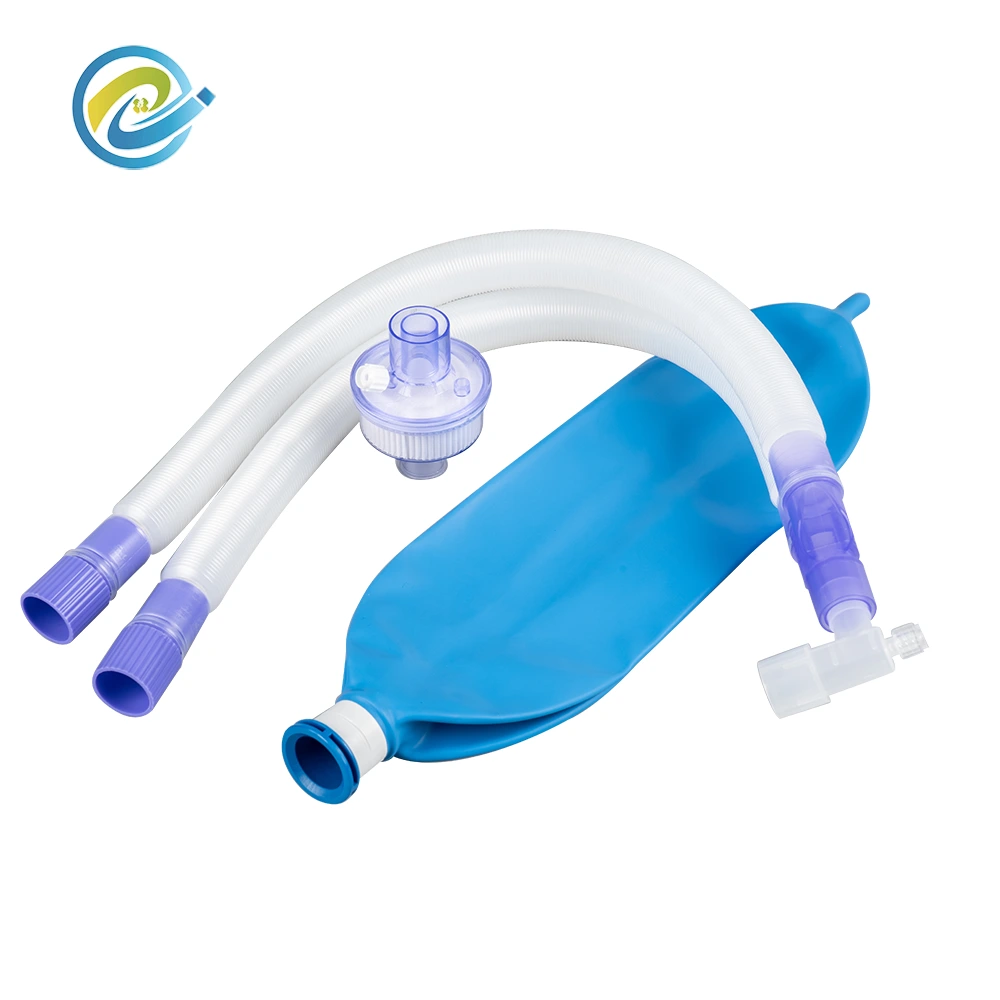
Constructed from medical-grade plastic with standard connectors, the circuit consists of corrugated or expandable tubing, a water trap, a breathing bag, patient and machine connectors, a gas sampling port, and a gas monitoring port. Its design ensures reliable connections with various monitoring devices, offers excellent breathing compliance, and resists kinking or damage—ensuring unobstructed gas flow throughout mechanical ventilation.
As a single-use product, it eliminates the need for repeated cleaning and disinfection, simplifies clinical workflow, and prevents cross-contamination, thereby enhancing medical safety.
Key Features
This series of Anesthesia Breathing Circuit includes two types: corrugated tubing and expandable coiled tubing. Both maintain core safety features while offering optimized characteristics for different clinical scenarios.
1. Common Core Features
Superior Sealing Performance: Precision-engineered connectors and compatible materials effectively prevent gas leakage, avoiding compromised anesthesia delivery or reduced respiratory support efficiency and ensuring patient safety.
Excellent Breathing Compliance: Tubing elasticity matches human breathing rhythms, reducing flow resistance and minimizing patient breathing effort—especially suitable for long-term mechanical ventilation.
High Safety: Medical-grade, eco-friendly plastic ensures excellent biocompatibility, is non-irritating, and avoids adverse effects on the patient’s airway and body.
Strong Compatibility: Standardized connectors are compatible with most anesthesia machines and ventilators on the market, meeting the needs of diverse medical institutions.
2. Type-Specific Advantages
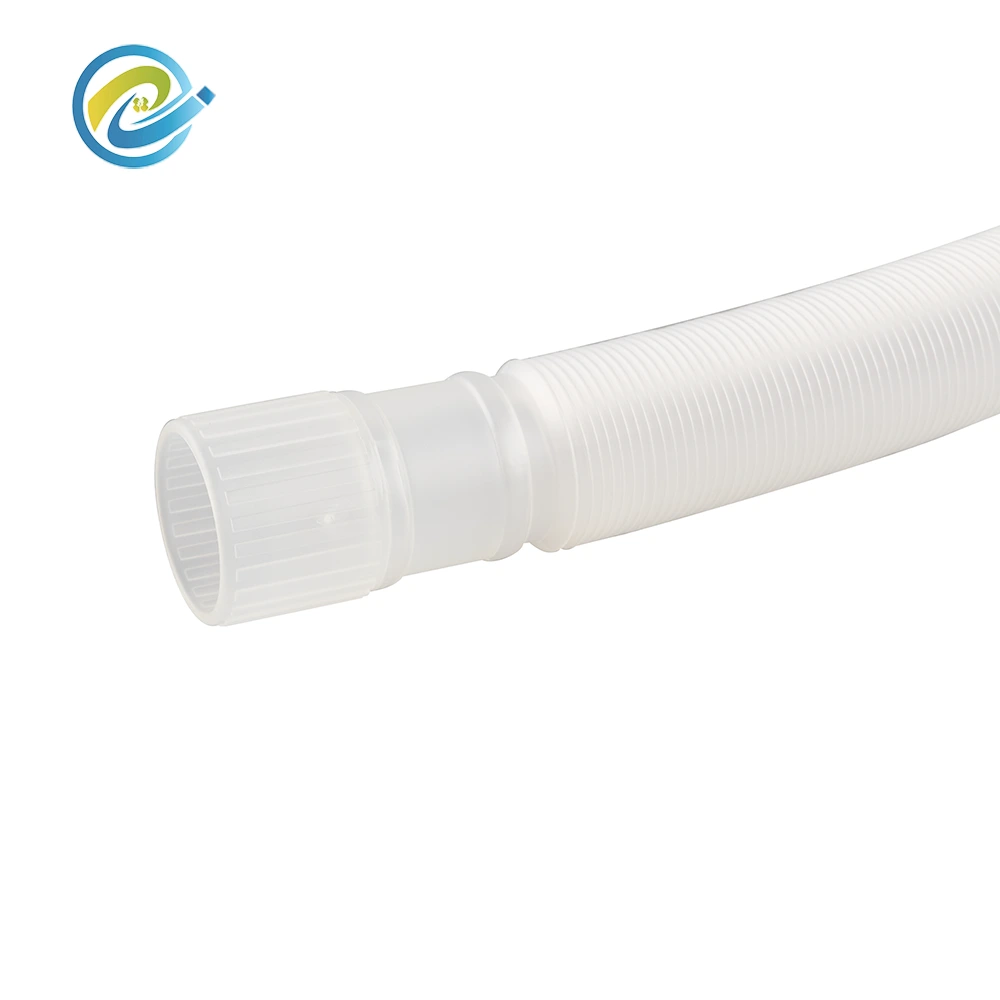
Corrugated Tubing: Exceptionally durable, capable of withstanding minor pulling and collisions during routine clinical use, making it ideal for high-volume medical environments.
Expandable Coiled Tubing: Features flexible length adjustment, allowing medical staff to adapt to surgical positions and patient body types, reducing tubing entanglement and improving operational convenience.
Product Specifications
|
Tubing Type |
Material |
Application |
Specifications (Connectors/Length) |
Core Components |
|
Corrugated Tubing |
Medical-grade plastic |
Adult / Pediatric |
Connectors: 22/15mm, 22M; Length: Adult 1.2m / 1.6m; Pediatric 1.2m |
Tubing, breathing bag, anesthesia mask, water trap, standard connectors, etc. |
|
Expandable Coiled Tubing |
Medical-grade plastic |
Adult / Pediatric |
Length: 1.2m–1.6m (expandable) |
Expandable coiled tubing, breathing bag, patient/machine connectors, gas sampling port, etc. |
Note: One end of the circuit is the patient connector for attaching a mask or endotracheal tube; the other end is the machine connector for interfacing with the anesthesia machine’s gas outlet to form a complete ventilation circuit.
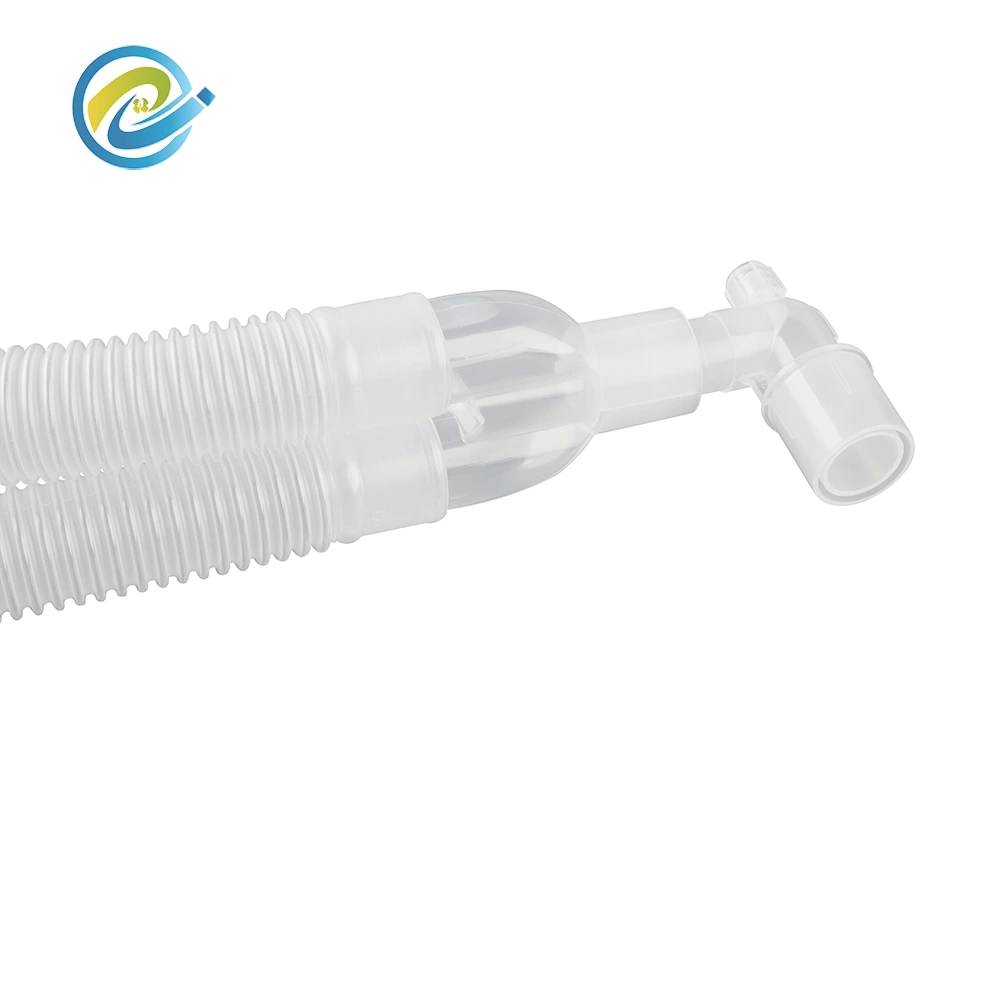 |
This end connects to a face mask or endotracheal tube. |
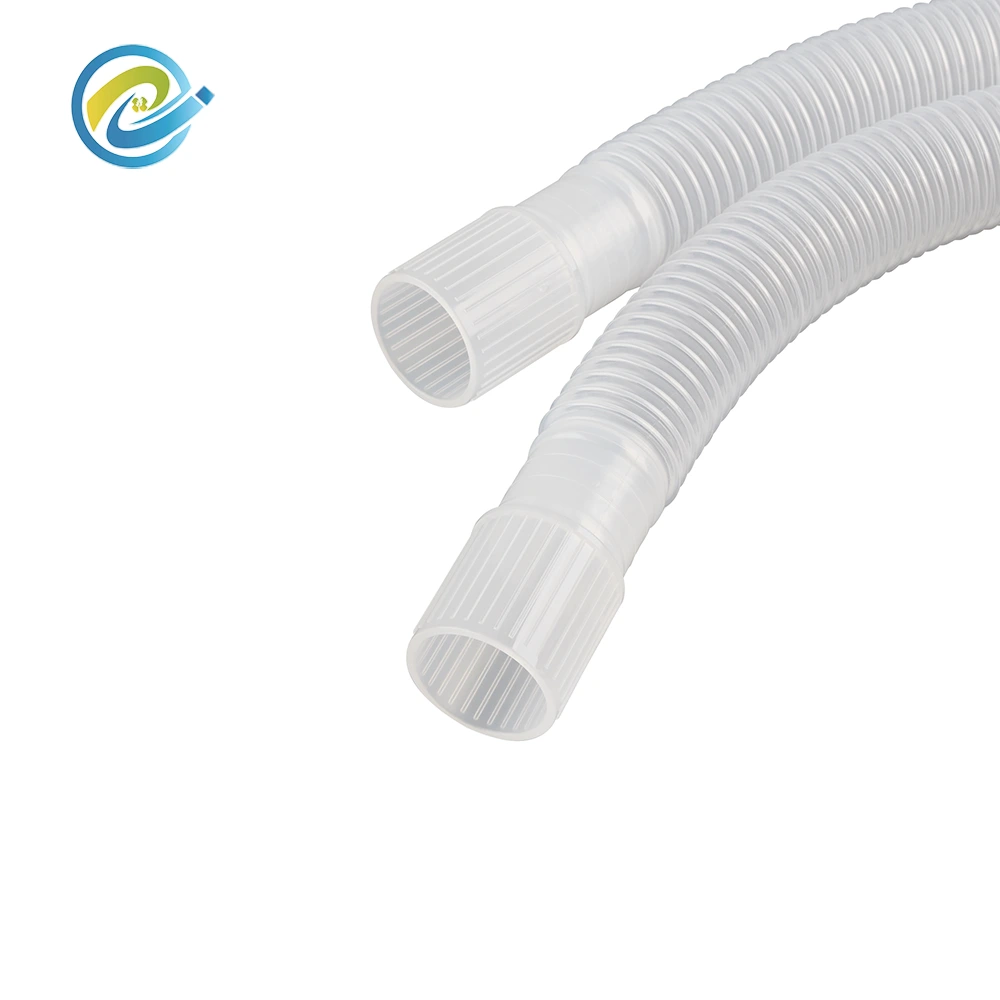 |
Connect the anesthesia machine. |
Proper Usage Instructions
1.Connect to Anesthesia Machine: Precisely attach the machine connector to the anesthesia machine’s gas outlet and secure the patient connector to a mask or endotracheal tube to form a complete ventilation circuit.
2.Deliver Anesthetic Drugs: Use a dedicated syringe to inject anesthetics into the designated port, and recheck connector tightness to prevent drug or gas leakage.
3.Control Gas Flow: Adjust gas flow and pressure using the anesthesia machine’s breathing valve. Set appropriate oxygen and anesthetic gas ratios based on patient weight, condition, and surgical requirements to ensure accurate delivery.
4.Maintain Airway Patency: Continuously monitor the patient’s position and tubing status to avoid bending, compression, or entanglement. Simultaneously observe the patient’s breathing to prevent risks such as regurgitation and aspiration.
Clinical Applications
The Anesthesia Breathing Circuit is widely used in various anesthesia and respiratory support scenarios, including:
General Anesthesia: Used in surgical, orthopedic, obstetric, and other general anesthesia procedures to continuously deliver anesthetic gas mixtures and oxygen, ensuring stable respiratory support throughout surgery.
Assisted Ventilation: Provides respiratory support for patients with weak or unstable spontaneous breathing during anesthesia, helping maintain normal breathing rhythms and reduce respiratory effort.
Controlled Ventilation: In procedures requiring precise control of respiratory rate and depth (such as neurosurgery and complex cardiothoracic surgery), the circuit delivers anesthetic gases accurately, enabling full control of the patient’s breathing in conjunction with the anesthesia machine.
Hot Tags: Anesthesia Breathing Circuit, Manufacturer, Supplier, Factory
Related Category
Breathing System Filters
Heat and Moisture Exchangers
Incentive Spirometers
Masks
AeroChamber
Pulmonary Function Test Accessories
Atomizers
Home Care Other Products
Disposable Breathing Circuits
Send Inquiry
Please Feel free to give your inquiry in the form below. We will reply you in 24 hours.
Related Products