

How Breathing Trainers Improve Lung Function and Respiratory Performance
Abstract: Breathing trainers are increasingly used in respiratory conditioning, athletic performance enhancement, and pulmonary rehabilitation. This article explains what breathing trainers are, how they function, and why they matter for individuals seeking better lung capacity, endurance, and respiratory efficiency. It also provides practical guidance on usage, benefits, device types, and key considerations before choosing a device.
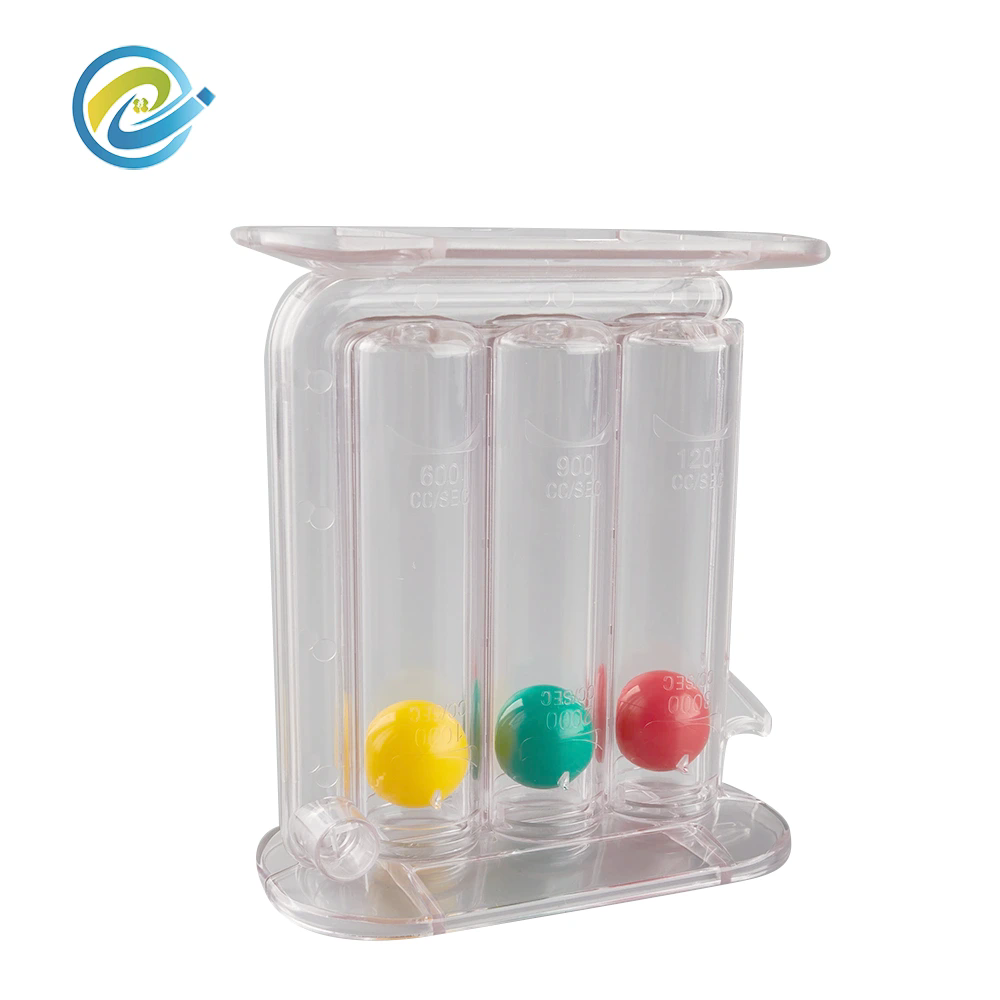
Table of Contents
Article Outline
This article is structured to provide a complete understanding of breathing trainers from fundamentals to practical application. It covers definitions, mechanisms, benefits, user groups, device selection, and frequently asked questions, ensuring readers gain actionable insights for improving respiratory performance.
Introduction
Breathing is one of the most fundamental biological functions, yet it is often overlooked in performance optimization and health training. Modern lifestyles, sedentary habits, and respiratory conditions can weaken lung capacity and reduce oxygen efficiency. Breathing trainers address this issue by strengthening respiratory muscles and improving airflow control.
Whether used by athletes, individuals recovering from respiratory illness, or people aiming to improve general wellness, breathing trainers offer a structured way to enhance pulmonary efficiency and stamina.
What Are Breathing Trainers?
Breathing trainers are handheld or device-based tools designed to provide resistance during inhalation and/or exhalation. This resistance forces the respiratory muscles—such as the diaphragm and intercostal muscles—to work harder, thereby strengthening them over time.
They are commonly used in:
- Sports performance training
- Respiratory therapy and rehabilitation
- General fitness and endurance improvement
Unlike passive breathing exercises, these devices introduce controlled resistance, making each breath a targeted training repetition for the respiratory system.
How Breathing Trainers Work
Breathing trainers function based on the principle of resistance-based respiratory muscle training (RMT). When a user breathes through the device, airflow is partially restricted, requiring more effort to inhale or exhale.
This process leads to:
- Increased diaphragm strength
- Improved lung elasticity
- Enhanced oxygen uptake efficiency
- Better carbon dioxide expulsion
The training effect is similar to weight training for muscles, except the focus is on respiratory structures.
Key physiological mechanism:
Repeated resistance breathing → muscle overload → adaptation → improved respiratory endurance
Key Benefits of Breathing Trainers
Breathing trainers provide a wide range of benefits that extend beyond lung capacity improvement.
| Benefit | Description |
|---|---|
| Improved Lung Capacity | Strengthens respiratory muscles to increase inhalation volume |
| Enhanced Athletic Performance | Delays fatigue by improving oxygen efficiency during exercise |
| Faster Recovery | Supports post-exercise recovery through better oxygen circulation |
| Respiratory Rehabilitation | Helps individuals recovering from respiratory conditions rebuild strength |
| Stress Reduction | Controlled breathing improves autonomic nervous system balance |
Who Should Use Breathing Trainers
Breathing trainers are suitable for a wide range of users, including:
- Athletes: runners, swimmers, cyclists, and combat sports practitioners
- Office workers: individuals with shallow breathing patterns due to sedentary lifestyles
- Elderly users: to maintain respiratory strength and lung elasticity
- Post-illness patients: especially those recovering from respiratory infections
However, individuals with severe cardiopulmonary conditions should consult a healthcare professional before starting training.
How to Use Breathing Trainers Effectively
Correct usage is essential for maximizing results and avoiding strain.
- Start with the lowest resistance level.
- Maintain an upright posture during training.
- Inhale slowly through the device, ensuring controlled airflow.
- Exhale steadily without forceful pressure.
- Perform 5–10 minute sessions, 1–2 times daily.
Consistency is more important than intensity. Gradual progression ensures sustainable respiratory adaptation.
Types and Comparison
Breathing trainers come in different designs depending on training goals.
| Type | Function | Best For |
|---|---|---|
| Inspiratory Trainers | Resistance during inhalation | Lung expansion and endurance training |
| Expiratory Trainers | Resistance during exhalation | Cough strength and airway clearance |
| Combined Trainers | Resistance in both phases | Comprehensive respiratory conditioning |
Common Mistakes to Avoid
Improper use can reduce effectiveness or cause discomfort. Avoid the following:
- Starting at high resistance levels too early
- Holding breath during training
- Inconsistent training schedule
- Using poor posture while exercising
- Ignoring gradual progression principles
FAQ
Q1: How long does it take to see results?
Most users notice improvements in breathing efficiency within 2–4 weeks of consistent use.
Q2: Can breathing trainers help with sports performance?
Yes. They improve oxygen delivery and delay respiratory fatigue during high-intensity activities.
Q3: Are breathing trainers safe for daily use?
Yes, when used correctly and within recommended resistance levels, they are safe for daily training.
Q4: Do I need medical supervision?
Not for general fitness use, but individuals with medical conditions should consult a healthcare professional.
Conclusion
Breathing trainers are practical tools for improving respiratory strength, lung efficiency, and overall endurance. By introducing controlled resistance into breathing patterns, they transform a natural biological function into a trainable performance system.
From athletes seeking competitive advantage to individuals aiming to improve general wellness, these devices offer measurable and progressive benefits when used consistently and correctly.
The product line from Jianeng is designed to support structured respiratory training with user-friendly and reliable designs suitable for different training levels and needs.
For more information or product inquiries, contact us at Jianeng today to explore how our breathing trainers can support your respiratory training goals.