

How Do Pulmonary Function Test Filters Improve Respiratory Testing?
Abstract: Pulmonary function tests (PFTs) are critical for evaluating lung health, but the accuracy and safety of these tests heavily depend on the quality of pulmonary function test filters. These filters prevent contamination, protect sensitive equipment, and enhance patient safety. In this article, we explore the function, benefits, and selection criteria of PFT filters, helping healthcare providers optimize their respiratory testing processes.
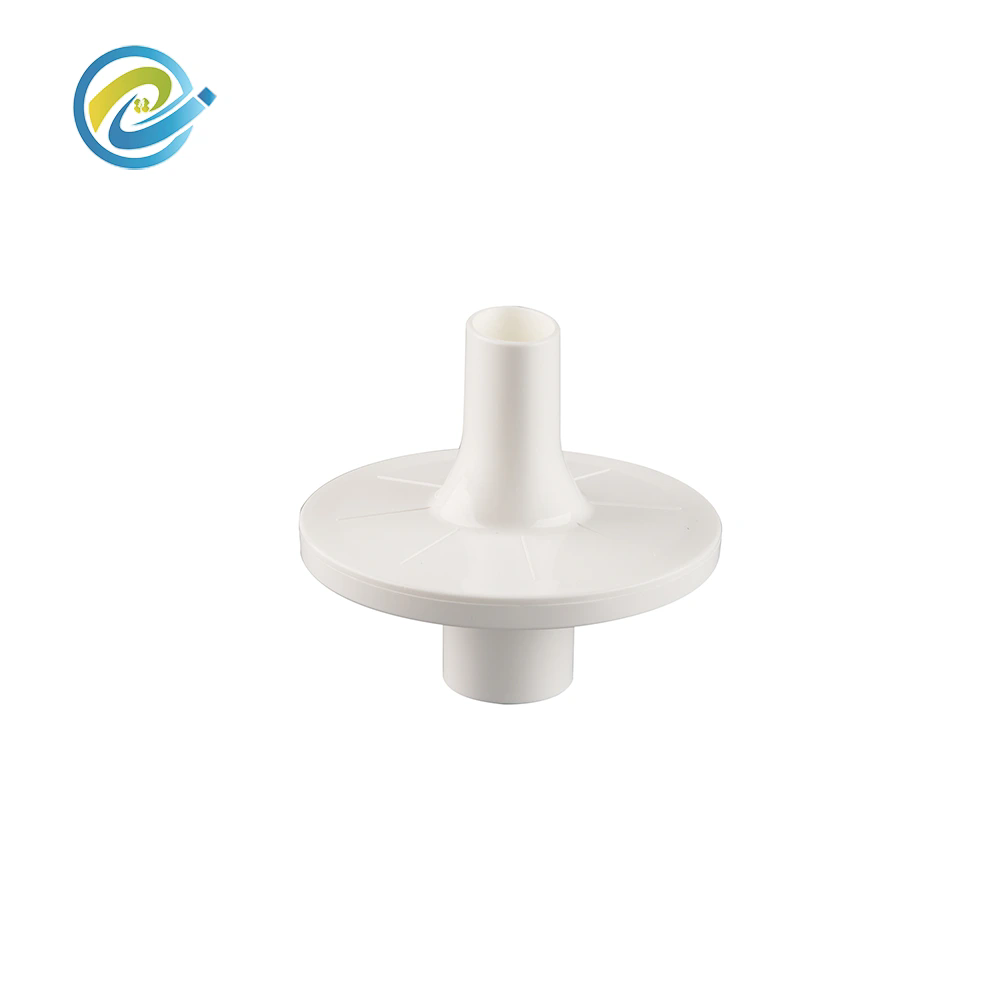
Table of Contents
- What Are Pulmonary Function Test Filters?
- Why Are Pulmonary Function Test Filters Important?
- How to Choose the Right Pulmonary Function Test Filters
- Common Challenges and Solutions
- FAQ
- Contact Us
What Are Pulmonary Function Test Filters?
Pulmonary function test filters, often called PFT filters, are specialized devices designed to protect both patients and diagnostic equipment during respiratory assessments. They act as barriers, preventing the passage of bacteria, viruses, and other particles from the patient's exhaled air into sensitive instruments.
- Material: Usually made of high-quality hydrophobic or electrostatic fibers that trap particles effectively.
- Usage: Positioned between the patient interface (mouthpiece) and the spirometer or PFT machine.
- Single-use vs. Reusable: Most filters are disposable to ensure hygiene and prevent cross-contamination.
PFT filters are critical in maintaining hygiene standards, particularly in hospitals and clinics where multiple patients undergo testing daily. Using filters significantly reduces the risk of airborne infection transmission and ensures reliable test results.
Why Are Pulmonary Function Test Filters Important?
The importance of PFT filters extends beyond infection control. They play a key role in ensuring measurement accuracy, patient safety, and compliance with clinical protocols.
Key Benefits:
| Benefit | Description |
|---|---|
| Infection Prevention | Filters trap harmful microbes, reducing the risk of cross-contamination between patients. |
| Equipment Protection | Prevents moisture and particles from entering the PFT machine, prolonging device lifespan. |
| Accurate Measurements | Maintains airflow consistency, ensuring reliable test data for clinical decisions. |
| Regulatory Compliance | Helps meet hygiene standards recommended by health authorities and professional societies. |
For healthcare facilities, integrating high-quality filters like those from Jianeng can elevate the standard of care and improve patient trust.
How to Choose the Right Pulmonary Function Test Filters
Selecting the correct filter depends on several factors, including the type of PFT test, patient demographics, and environmental conditions. Below are essential criteria to consider:
- Filtration Efficiency: Look for filters that provide at least 99% efficiency in trapping bacteria and viruses.
- Low Resistance: Ensure minimal airflow resistance to avoid affecting test accuracy, especially in pediatric or elderly patients.
- Compatibility: Filters must fit the specific spirometer or PFT machine model used in your facility.
- Single-use vs. Reusable: Consider workflow, cost, and hygiene requirements.
- Certifications: Choose filters with ISO or FDA certification for medical safety assurance.
By following these criteria, healthcare providers can achieve reliable pulmonary function test results while protecting patients and equipment.
Common Challenges and Solutions
While PFT filters offer numerous benefits, users may encounter challenges:
- Increased Airflow Resistance: Some filters may slightly alter breathing patterns. Solution: Select filters designed for minimal resistance.
- Compatibility Issues: Not all filters fit every spirometer model. Solution: Confirm dimensions and manufacturer recommendations.
- Supply Management: Frequent filter changes can create logistical issues. Solution: Partner with reliable suppliers like Jianeng for consistent availability.
FAQ
1. Can PFT filters be reused?
Most pulmonary function test filters are designed for single-use to prevent contamination. Reuse is generally not recommended unless specified by the manufacturer.
2. Do filters affect test results?
High-quality filters from reputable manufacturers like Jianeng are designed to minimize airflow resistance and should not significantly affect test accuracy.
3. How often should filters be replaced?
Filters should be replaced after every patient test or according to the manufacturer’s guidelines to maintain hygiene and measurement reliability.
4. Are PFT filters suitable for all patient populations?
Yes, but special consideration should be given to pediatric and elderly patients to ensure low-resistance filters are used for comfortable testing.
Contact Us
To learn more about our high-quality pulmonary function test filters and optimize your respiratory testing process, visit Jianeng Medical or contact us today. Our team is ready to provide guidance, product recommendations, and support to meet your clinical needs.