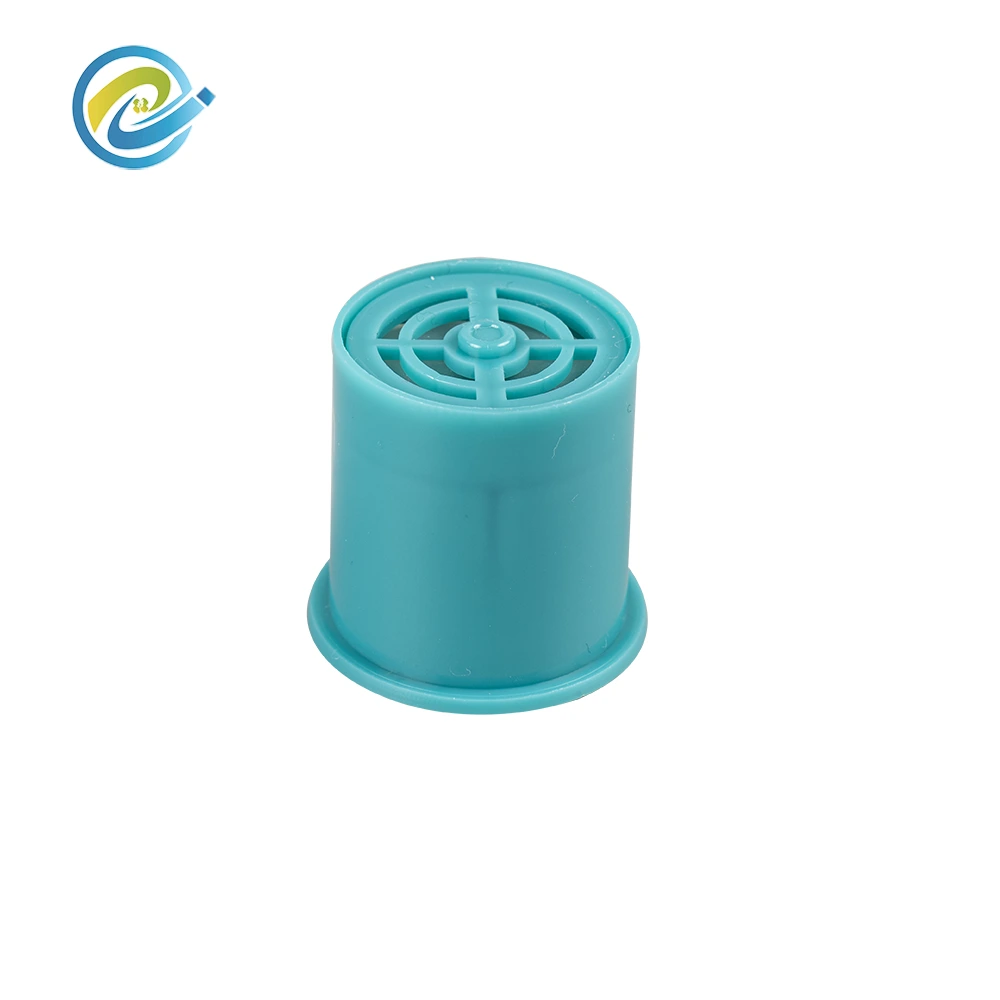



Speaking Valve
Speaking Valve is a medical device that helps someone with a tracheostomy (trach) speak and swallow more easily. The goes on the outside opening of the trach tube.The valve opens when your child breathes in and closes when they breathe out. This pushes air around the trach tube and up through the vocal cords, so your child can make sounds.
Send Inquiry
Product Description
Working principle
A tracheostomy is a surgery to make an opening in the trachea (windpipe). A tracheostomy tube (trach tube) is placed into the opening for breathing.
We talk when air moves up from our lungs through our vocal cords. After a tracheostomy, most of the air your child breathes in and out goes directly through the trach tube. Air bypasses the larynx (voice box), throat, and nose.
The Speaking Valve changes your child’s ability to talk. Some air might go up to the vocal cords. But it might not have enough force to make them move. Or, there might only be enough for very short sounds.
Because the air doesn’t pass through the vocal cords, your child may not be able to talk or make sounds unless a speaking valve is used.
The PMV controls the direction of air flow. A PMV is a one-way valve so air can go in but not out.
Benefits
1.Restores voice: Enables verbal communication for individuals with a tracheostomy.
2.Improves swallowing: Restores subglottic pressure, which can help with swallowing function.
3.Enhances other senses: Can help restore the sense of smell and taste.
4.Aids in laryngeal rehabilitation: Helps to re-establish more natural pulmonary pressure and stimulate the larynx.
5.Supports weaning from ventilator: Can be a step in the process of weaning off a ventilator.
There are two connection methods
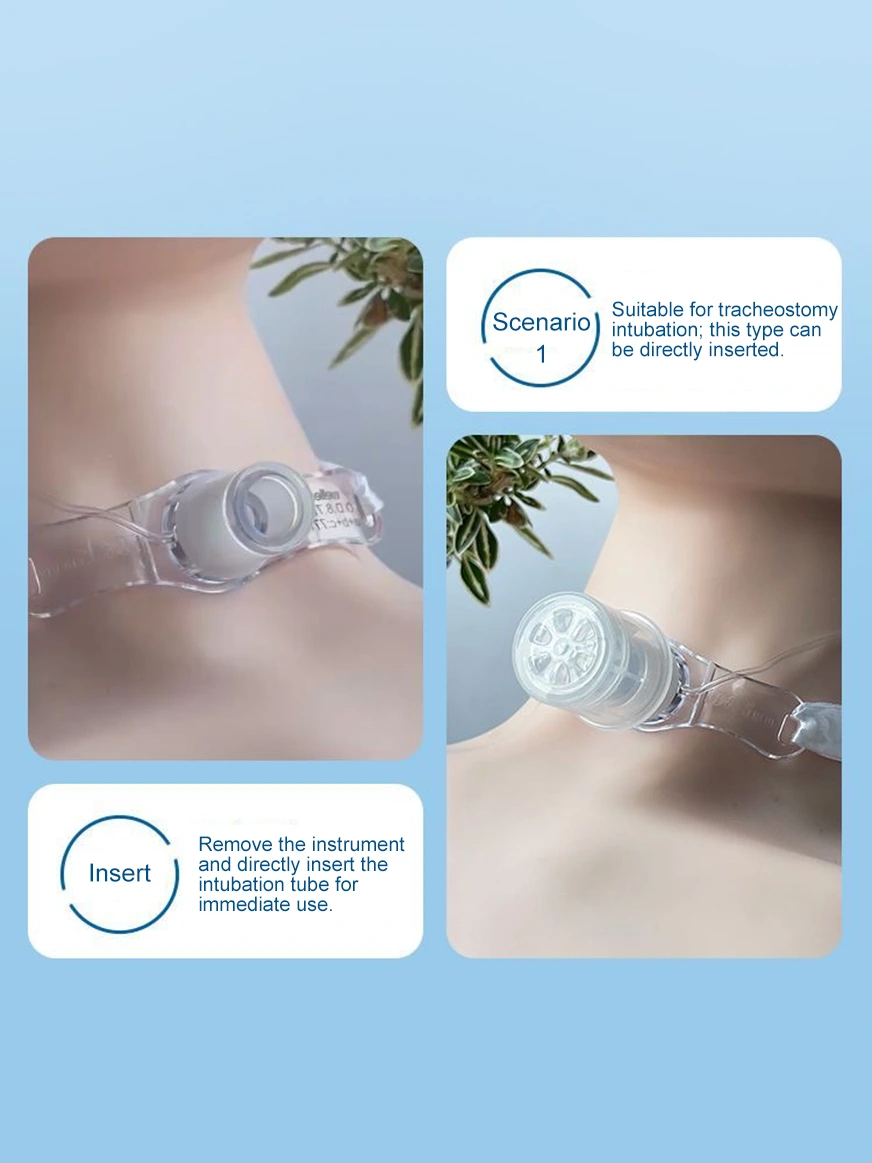
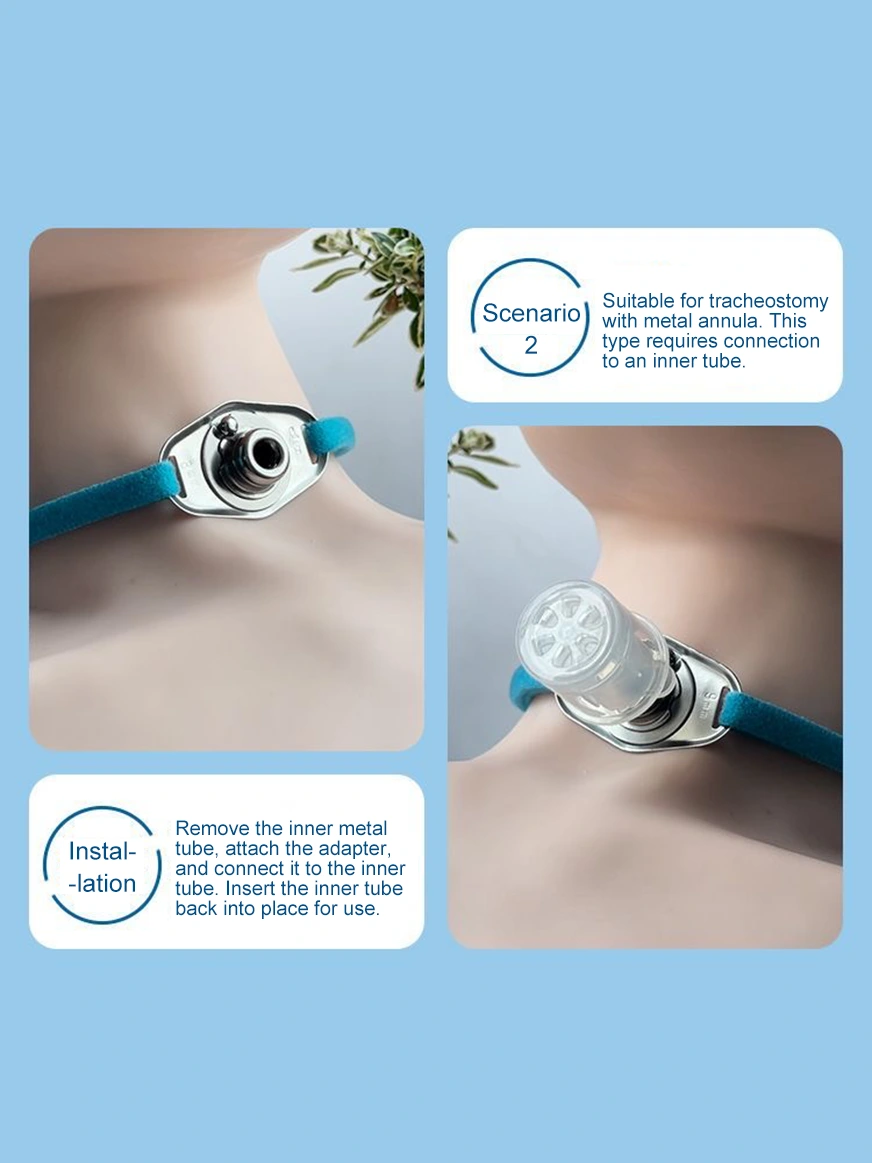
Scenario 2: 1. Install the adapter 2. Connect the metal sleeve
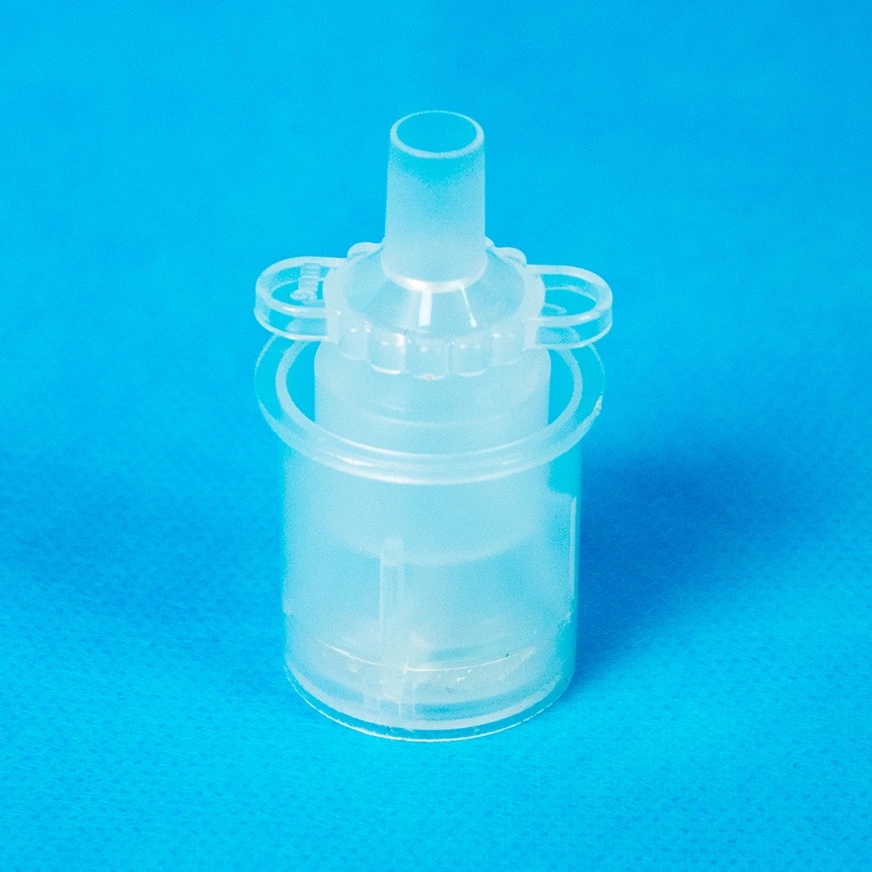
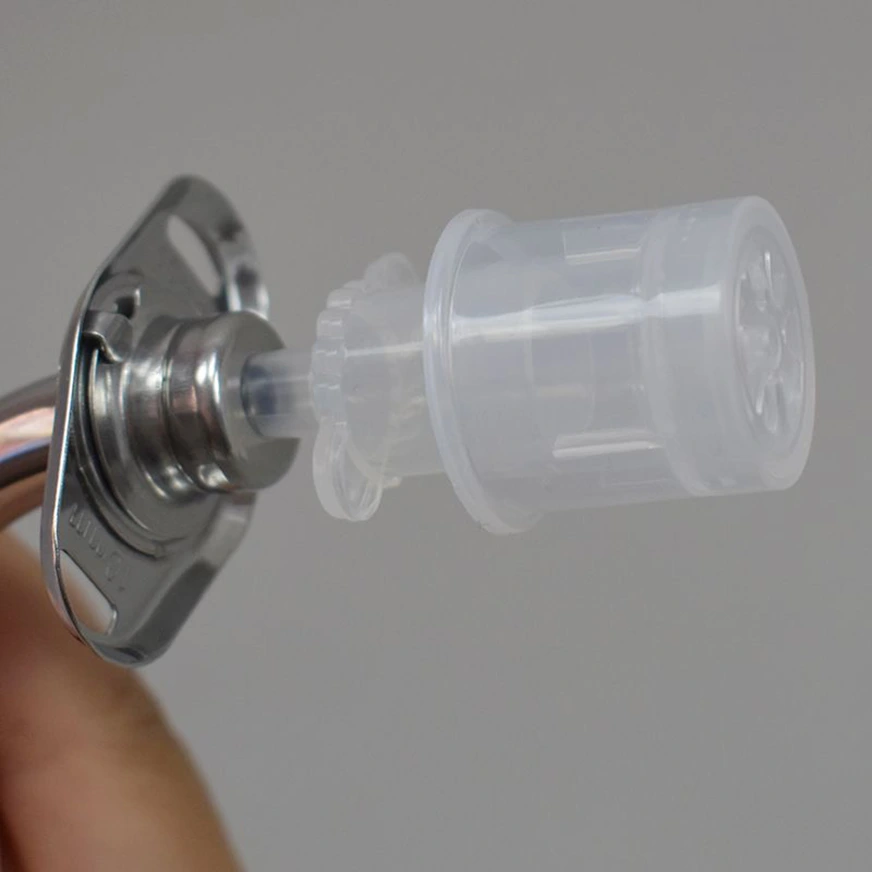
The adapter comes in five sizes: 7mm, 8mm, 9mm, 10mm, and 11mm.
Important considerations
● Medical guidance: A healthcare professional, such as a doctor or speech-language pathologist, must determine if a patient is a suitable candidate for a speaking valve.
● Patient assessment: The Speaking Valve is appropriate for patients who are awake, alert, and can breathe independently, though it can also be used with certain ventilator support.
● Proper use: It is crucial to ensure the cuff is fully deflated and to carefully place the valve to avoid twisting the tracheostomy tube.
● Patient comfort: Healthcare providers will monitor for signs of distress and gradually increase wear time as tolerated.
Hot Tags: Speaking Valve, Manufacturer, Supplier, Factory
Related Category
Send Inquiry
Please Feel free to give your inquiry in the form below. We will reply you in 24 hours.
Related Products