


Anesthesia Mask
Jianeng Medical is a professional China manufacturer with years of experience in medical airway devices. Its Anesthesia Mask delivers anesthetic gases and oxygen tightly, featuring inflatable soft cushions and transparent medical-grade material with multi-sizes available. It ensures solid quality, supports bulk and wholesale, ideal for operating rooms, ICUs and emergency departments.
Send Inquiry
Product Description
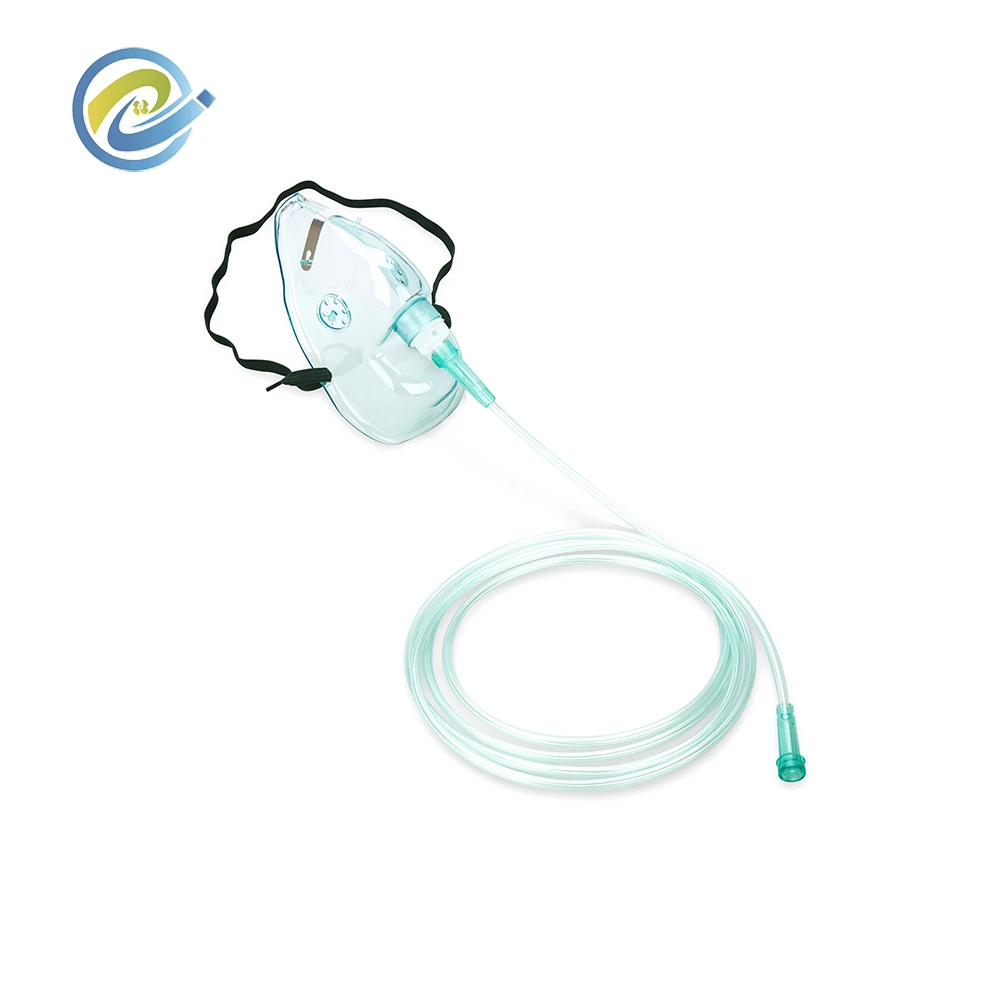
The anesthesia mask is a fundamental medical device commonly used in general anesthesia and assisted ventilation. It is primarily designed to steadily deliver anesthetic gases or oxygen to the patient’s respiratory tract, facilitating induction and maintenance of anesthesia. By forming an airtight seal over the patient’s face, it minimizes gas leakage while enabling medical staff to effectively control the depth of anesthesia.
Widely applied in operating rooms, emergency departments, and intensive care units, anesthesia masks also play a key role in anesthesia induction, short-term ventilation support, and respiratory management during patient recovery.
Structural Composition & Design
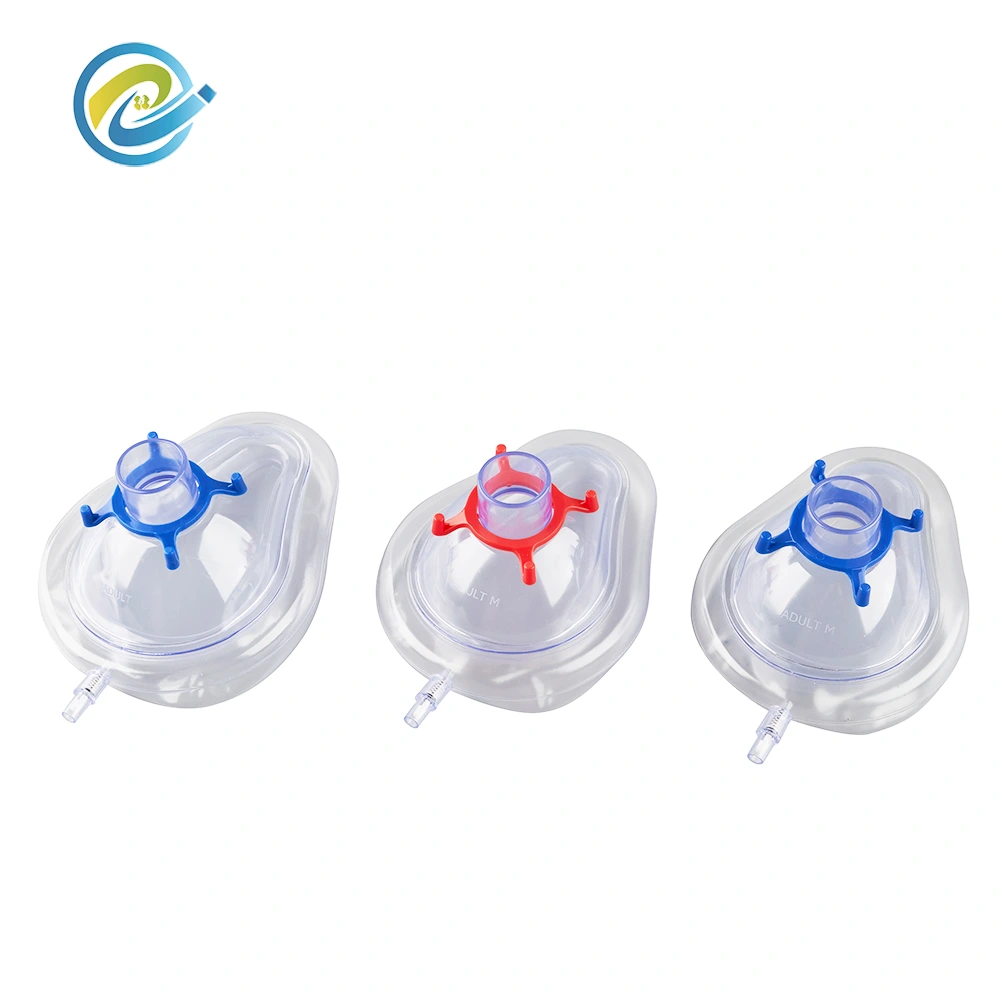
An anesthesia mask typically consists of three core components:
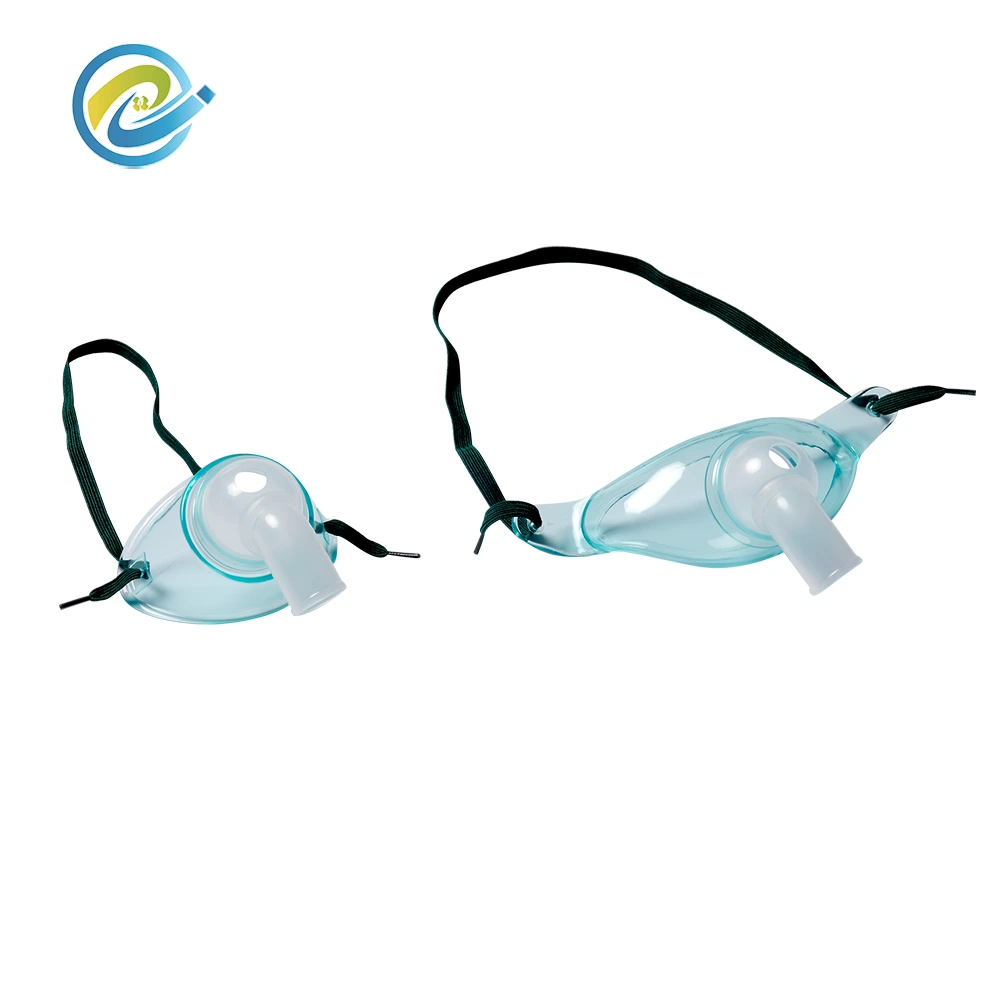
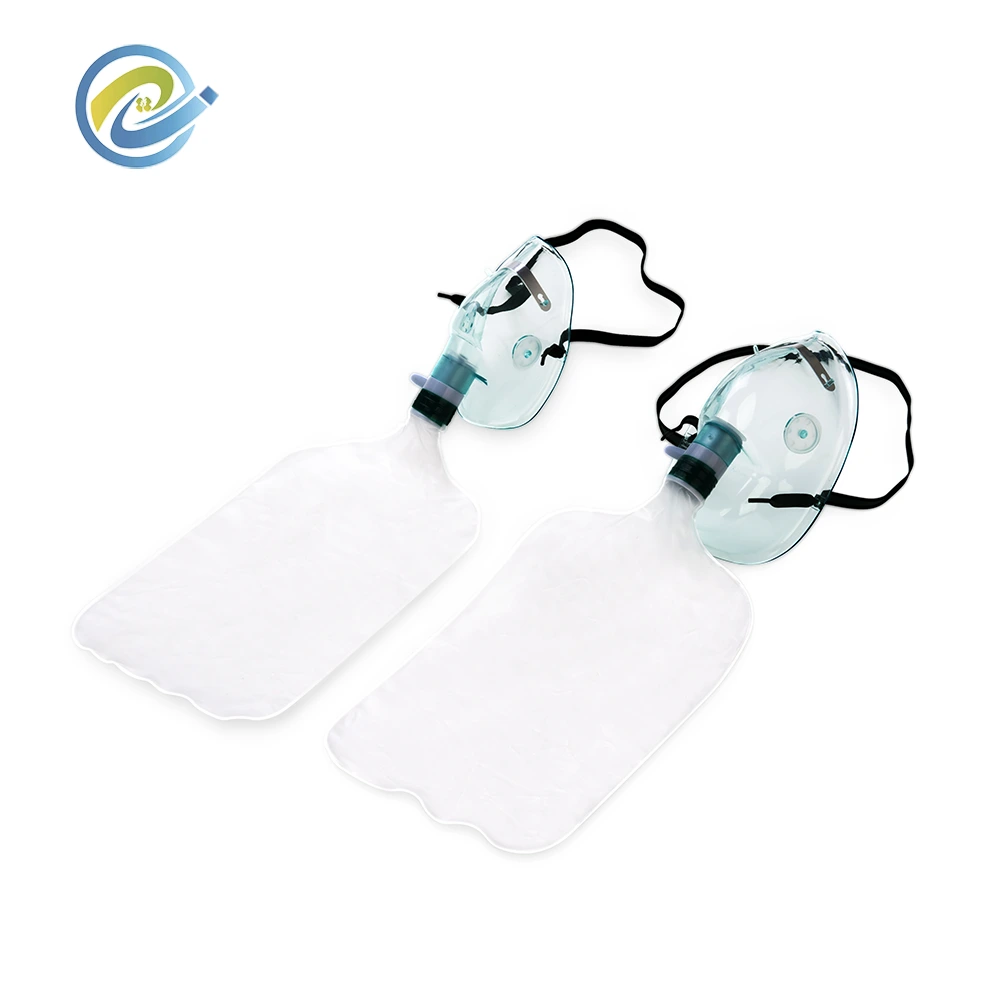
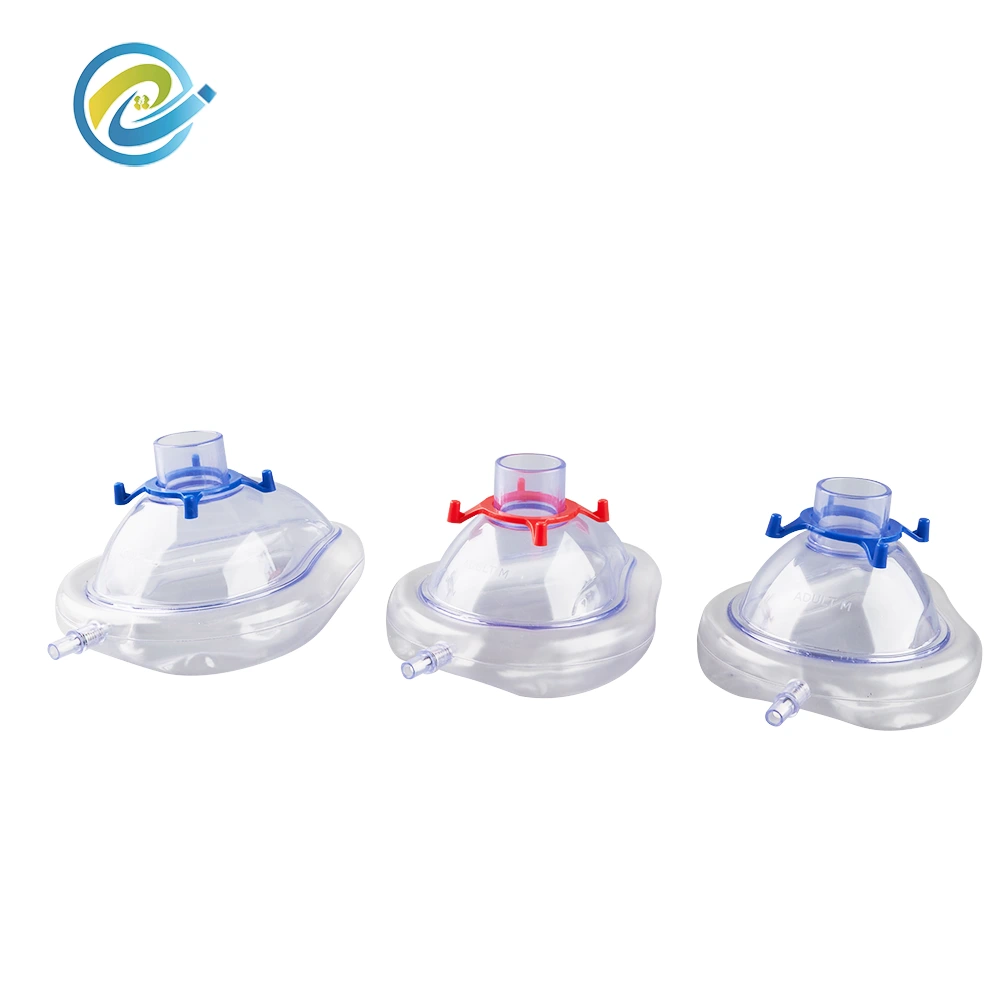
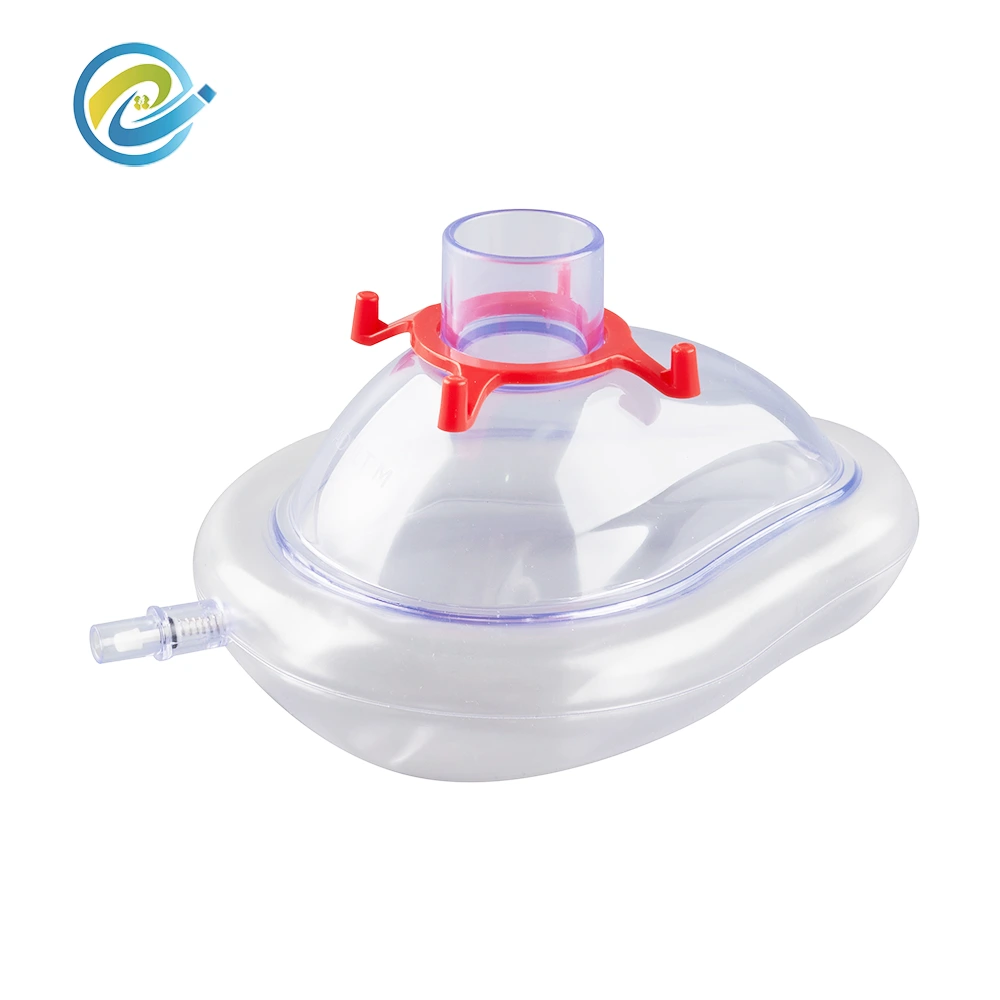
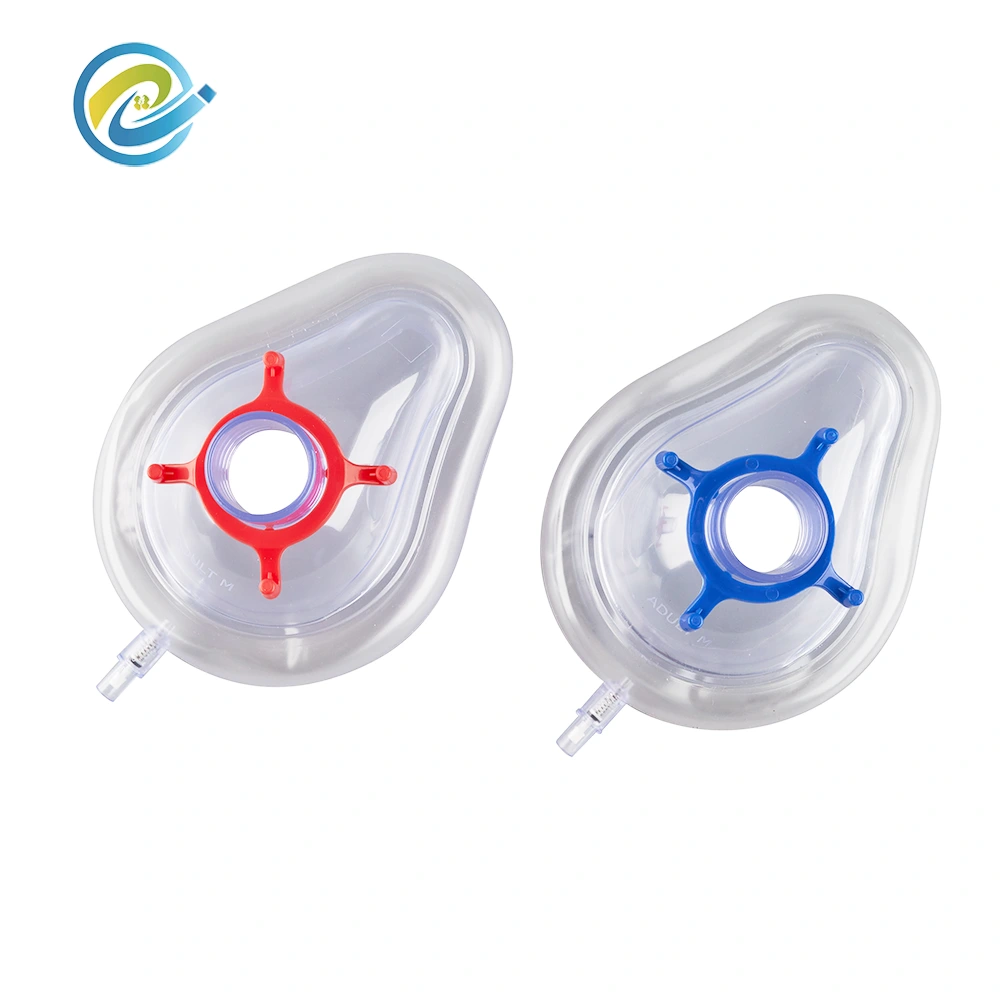
Mask body: Directly covers the patient’s nose and mouth for facial fitting
Air Cushion: Inflatable ring around the mask edge to enhance sealing performance
Connection port & hanger: For attaching breathing circuits or anesthesia circuits
The inflatable cushion allows clinicians to adjust air volume according to facial contours, ensuring a secure fit and minimizing leakage regardless of patient positioning or procedural conditions.
Product Features
Soft Inflatable Cushion
The padded edge cushion reduces facial pressure and improves patient tolerance during prolonged use.
High-transparency Medical-grade Material
Odorless and fully transparent for clear observation of lip color, respiratory status, and condensation buildup.
Multi-size Range
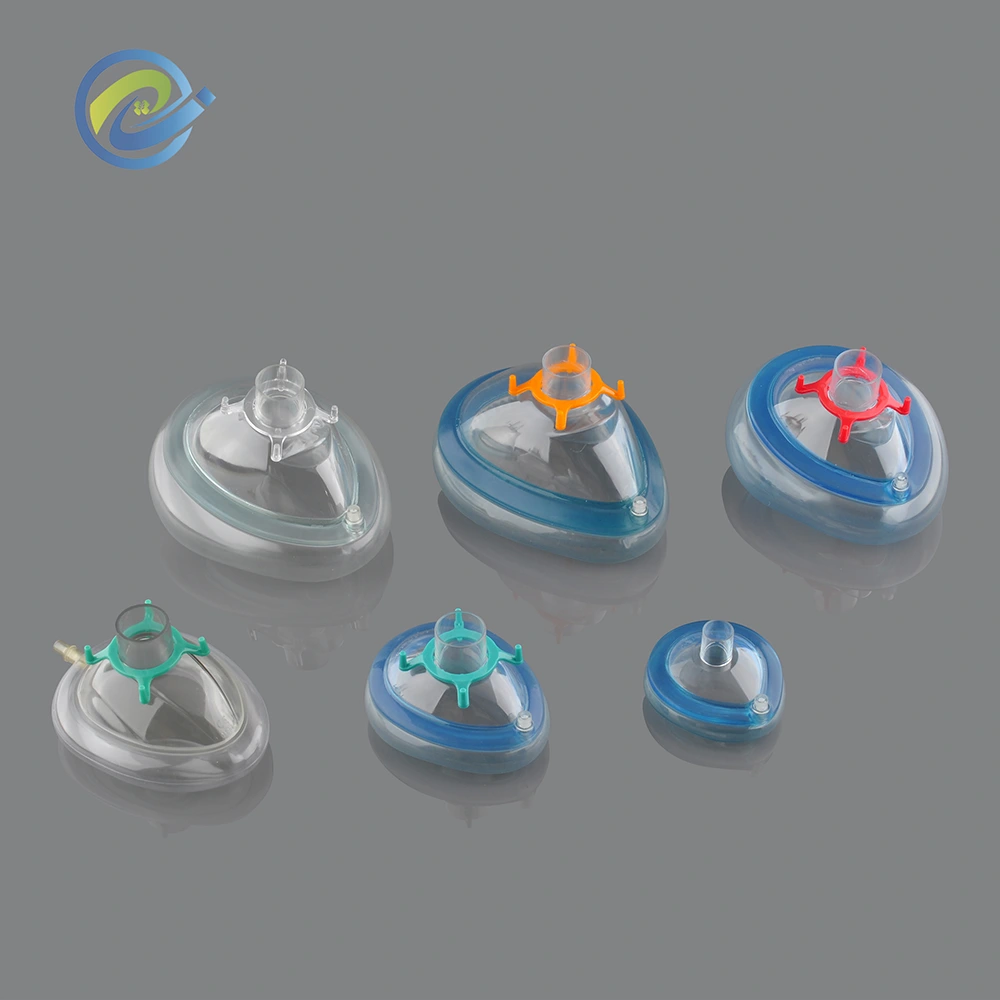
Available in adult, pediatric, and infant sizes to accommodate patients of all age groups.
Adjustable Inflation
Inflatable and deflatable design enables flexible sealing adjustments for optimal facial conformity.
One-hand Operation Friendly
Ergonomic front protrusion and curved profile allow secure one-handed placement during anesthesia induction.
Core Functions & Clinical Value
The primary function of the anesthesia mask is to achieve efficient, airtight delivery of anesthetic gases. Its superior sealing minimizes anesthetic gas leakage and maintains stable inhaled concentrations, enabling precise control of anesthesia depth.
In clinical practice, this design not only enhances the controllability of anesthesia management but also reduces occupational exposure to waste anesthetic gases, elevating overall procedural safety.
Product Specifications
|
Parameter |
Details |
|
Material |
Medical-grade plastic |
|
Color |
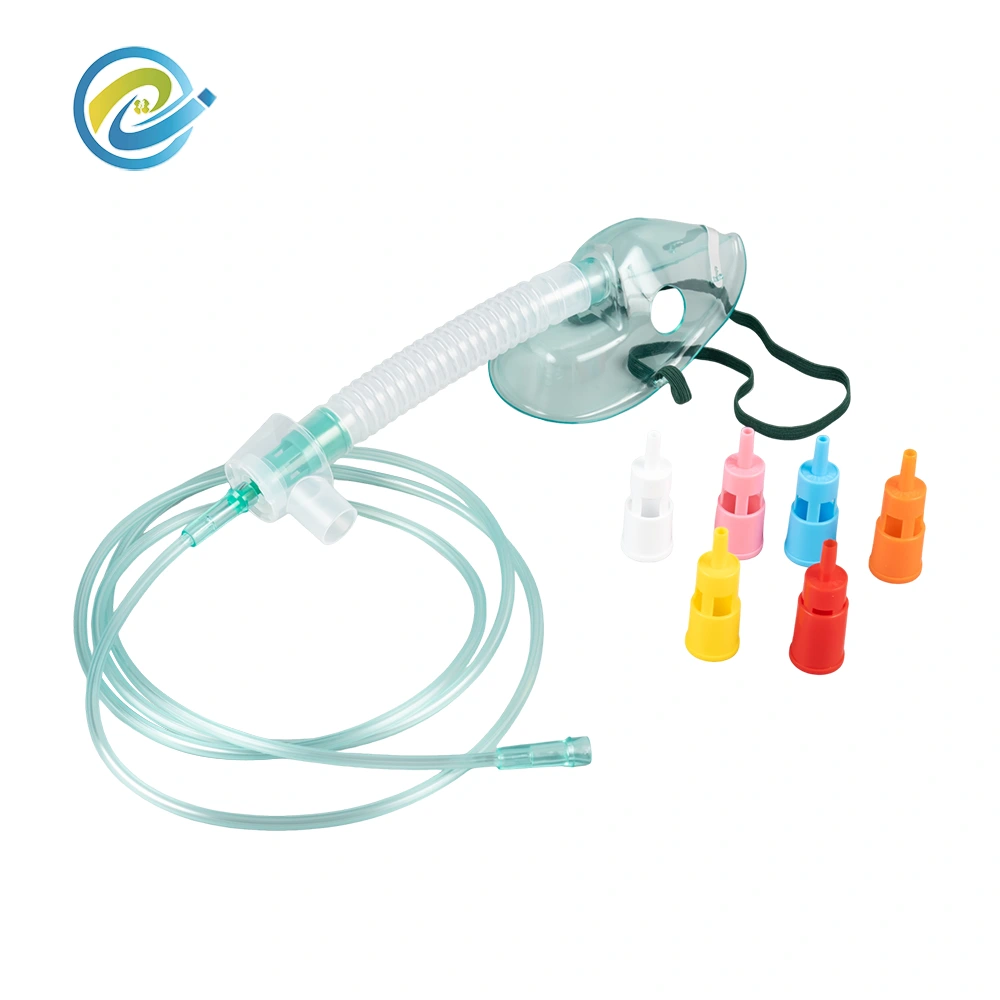
Transparent body with color-coded hangers |
|
Sizes |
Adult, Pediatric, Infant |
|
Components |
Mask body + hanger |
Color-coded sizing enables quick clinical identification and selection, reducing the risk of errors during use.
Application Scenarios
Anesthesia masks are commonly used in the following scenarios:
Induction and maintenance of general anesthesia
Short-term mask ventilation in emergency settings
Assisted respiratory support in intensive care
Respiratory management during anesthesia recovery and patient transfer
When used in compliance with standards, anesthesia masks provide stable, reliable airway management support across diverse clinical environments.
Hot Tags: Anesthesia Mask, Manufacturer, Supplier, Factory
Related Category
Breathing System Filters
Heat and Moisture Exchangers
Incentive Spirometers
Masks
AeroChamber
Pulmonary Function Test Accessories
Atomizers
Home Care Other Products
Disposable Breathing Circuits
Send Inquiry
Please Feel free to give your inquiry in the form below. We will reply you in 24 hours.